
I can't count how many times magnesium has been recommended to me over the years, usually with very little explanation beyond "it helps some people."
No discussion of which type. No guidance on how much. No explanation of why it might actually work. Just: try magnesium. I've heard the same story echoed again and again in the migraine community. Someone was told to try magnesium, bought whatever was at the drugstore, experienced digestive side effects or no noticeable improvement, and reasonably concluded that magnesium just doesn't work for them.
The reality is more nuanced. Magnesium isn't a single supplement. There are multiple forms, each absorbed differently and each interacting with the nervous system in distinct ways. Understanding those differences matters, especially when you live with a neurological disease like migraine.
What the Science Shows
Magnesium plays an important role in how the brain and nervous system function. Research suggests that people with migraine may have lower magnesium levels in the brain itself, even when standard blood tests look normal.
Magnesium supports several processes closely linked to migraine: calming an overactive nervous system, reducing excessive pain and sensory signaling in the brain, influencing CGRP (a protein that plays a major role in migraine attacks), supporting serotonin, and helping keep blood vessels stable and less reactive.
Multiple clinical trials and research reviews have found that magnesium supplementation, most commonly 400 to 600 mg per day of elemental magnesium, can reduce how often migraine attacks occur and how severe they are, particularly for people with migraine with aura. Because of this body of evidence, magnesium is frequently recommended by headache specialists as a first line preventive option.
Most studies use magnesium oxide, not because it's the best form, but because it's inexpensive and easy to study. That doesn't make it the most effective or best tolerated choice in real life and that distinction is exactly why the different forms matter.
Why Absorption Matters More Than You Think
How well your body absorbs magnesium is just as important as how much you take.
Some forms move quickly through the digestive system, which means your body may not have enough time to actually use them. This often leads to diarrhea and very little benefit for migraine prevention.
Other forms absorb more slowly and gently, staying in the body longer and supporting the nervous system more effectively. For people with migraine who need higher doses, this difference can be significant.
If magnesium passes through your system too quickly, you may experience digestive upset, struggle to reach helpful doses, and conclude that magnesium doesn't work, when really, you just haven't found the right form yet.
The Forms Worth Knowing About
Magnesium Glycinate
One of the most popular forms for people with migraine, and for good reason. It's well absorbed and much less likely to cause digestive upset than other types, which can matter if you and your provider are working toward the higher end of the range studied for prevention.
This form is bound to glycine, an amino acid with calming effects on the nervous system. Many people find it helpful for sleep and anxiety alongside migraine prevention, which makes it a particularly useful option for those of us dealing with all three.
If you have a sensitive stomach, deal with anxiety or sleep issues, or have struggled to tolerate other forms, glycinate is usually a good starting point.
Brands Recommended: Pure Encapsulations and DoubleWood Supplements.
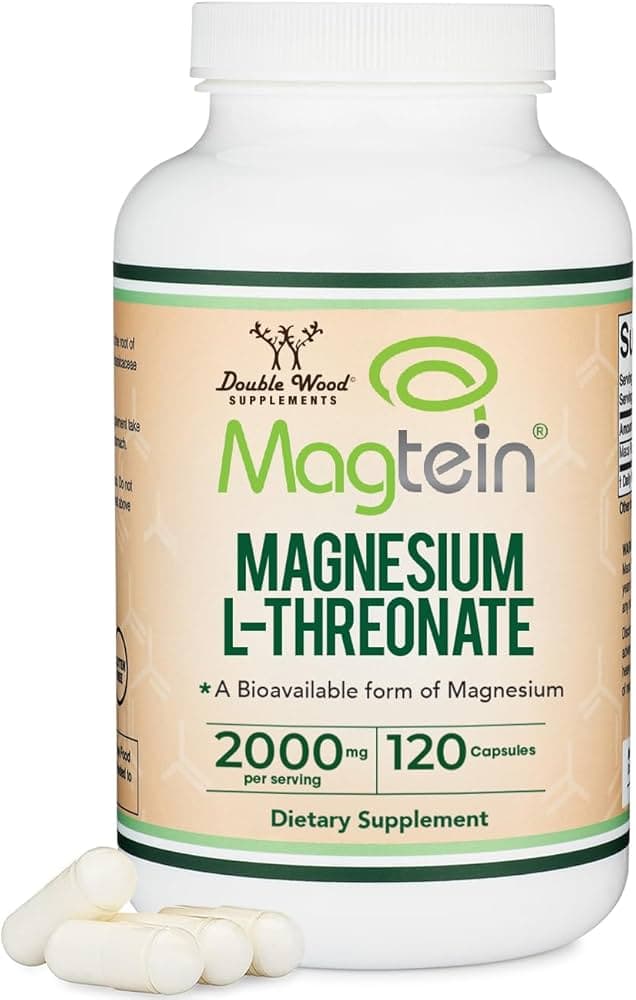
Magnesium L Threonate
Often talked about as the brain focused form because it crosses the blood brain barrier more effectively than most other types. Research suggests it may support cognitive function, memory, and mental clarity, which matters for those of us dealing with brain fog between attacks.
It's gentle on the stomach and won't cause laxative effects, but it contains less elemental magnesium per capsule than other forms and tends to be more expensive. It's usually best used alongside another form rather than on its own for migraine prevention.
This is the form I currently take, and the difference has been the clearest I've noticed, particularly for the cognitive symptoms that tend to linger between attacks.
Brands Recommended: DoubleWood (the one I use) and Now Foods Supplements.
Magnesium Citrate
One of the most widely available forms. Better absorbed than magnesium oxide, but comes with a well known downside: it can act as a laxative. For some people, this is actually a benefit. For others, it makes it difficult to reach the doses needed for migraine prevention consistently.
This form mixes easily into liquids, which makes it a good option for people who don't tolerate pills well.
From our shop
Migraine Definition Sweatshirt
Shop nowDesigned by The Migraine Network 💜
Brands Recommended: Now Foods Supplements (the one I use).
Magnesium Malate
Often used by people who experience fatigue or muscle pain alongside migraine, particularly those with fibromyalgia as a comorbidity. Generally better absorbed than magnesium oxide and less likely to cause digestive upset.
Some people notice a mild energy boosting effect, which can be helpful for daytime fatigue. For others, that same effect can feel overstimulating, so it's usually best taken earlier in the day.
Brands Recommended: Seeking Health and Nutricost.
Magnesium Oxide
The form most commonly used in migraine studies and the one most often recommended first. Inexpensive, widely available, and contains a high amount of magnesium per pill, but also one of the least well absorbed forms and the most likely to cause digestive side effects at higher doses.
Many people with migraine find they can't tolerate enough of it to see meaningful benefits. It's well studied and worth trying, but not always practical for long term use.
Magnesium Taurate
Combines magnesium with taurine, an amino acid that supports cardiovascular and metabolic health. Generally well tolerated with fewer digestive side effects. A reasonable option if you're looking for migraine support alongside heart health or blood sugar regulation.
Magnesium IV Therapy
Delivers magnesium directly into the bloodstream, bypassing digestion entirely. Most often used in emergency settings or infusion clinics for severe migraine attacks. Because it raises magnesium levels quickly, it can be helpful during intense or prolonged attacks when oral medications aren't working, particularly for migraine with aura or status migrainosus.
This is not a preventive treatment and isn't meant for routine use. It can come with side effects including flushing, low blood pressure, or lightheadedness, and should always be administered under medical supervision.
From our shop
"Do Not Disturb" Migraine Mug
Shop nowDesigned by The Migraine Network 💜
I went through a period of weekly magnesium IV treatments during a particularly severe flare. The relief was real, but short term. Helpful in the moment, not a long term solution.
A Note on Inactive Ingredients
When you're choosing a magnesium supplement, what else is in the capsule matters too.
Gelatin capsules are common and safe for most people, but some people with migraine notice sensitivity with daily gelatin intake. Vegetarian or vegan capsules are an easy alternative to look for. Shorter ingredient lists are generally better, some people with migraine report sensitivity to certain additives like artificial colors or flavors.
If a supplement makes you feel worse, it doesn't necessarily mean magnesium isn't right for you. It may just mean that specific formulation isn't a good fit. Look for clear labeling of elemental magnesium content and, when possible, third party testing.
My Experience
Magnesium has been part of my migraine management for a long time. What's worked for me has changed over the years, the form, the dose, how I combine it with other treatments.
I was at an appointment recently and my headache specialist mentioned that at a migraine education conference, even headache specialists couldn't agree on which magnesium is best. Everyone had a different answer. That resonated with me, because my own experience reflects exactly that. There isn't one right answer.
For me, the clearest turning point was switching to magnesium L threonate. The cognitive difference was noticeable in a way that earlier forms hadn't been. But my path there was years of trying other forms, adjusting doses, and figuring out what my nervous system actually responded to.
Magnesium is a tool. And like most tools in migraine care, it works best when it's individualized, adjusted over time, and used alongside other treatments.
If magnesium hasn't worked for you yet, it doesn't mean it never will. It may mean you haven't found the version that works for your body. The form matters more than most people realize.
Disclosure: This post contains affiliate links and, where noted, a personal discount code. As an Amazon Associate we earn from qualifying purchases, and if you use these links or codes we may earn a commission at no extra cost to you. These are honest opinions and this post is not sponsored.
This article is for educational purposes only and is not medical advice. It is not a substitute for professional diagnosis or treatment. Always talk with a qualified healthcare provider before making changes to your care, medications, or supplements.
Written by Deena Migliazzo
Migraine advocate, educator, and founder of The Migraine Network. Living with chronic migraine and dedicated to building community, education, and resources for others who get it.
Learn more about Deena