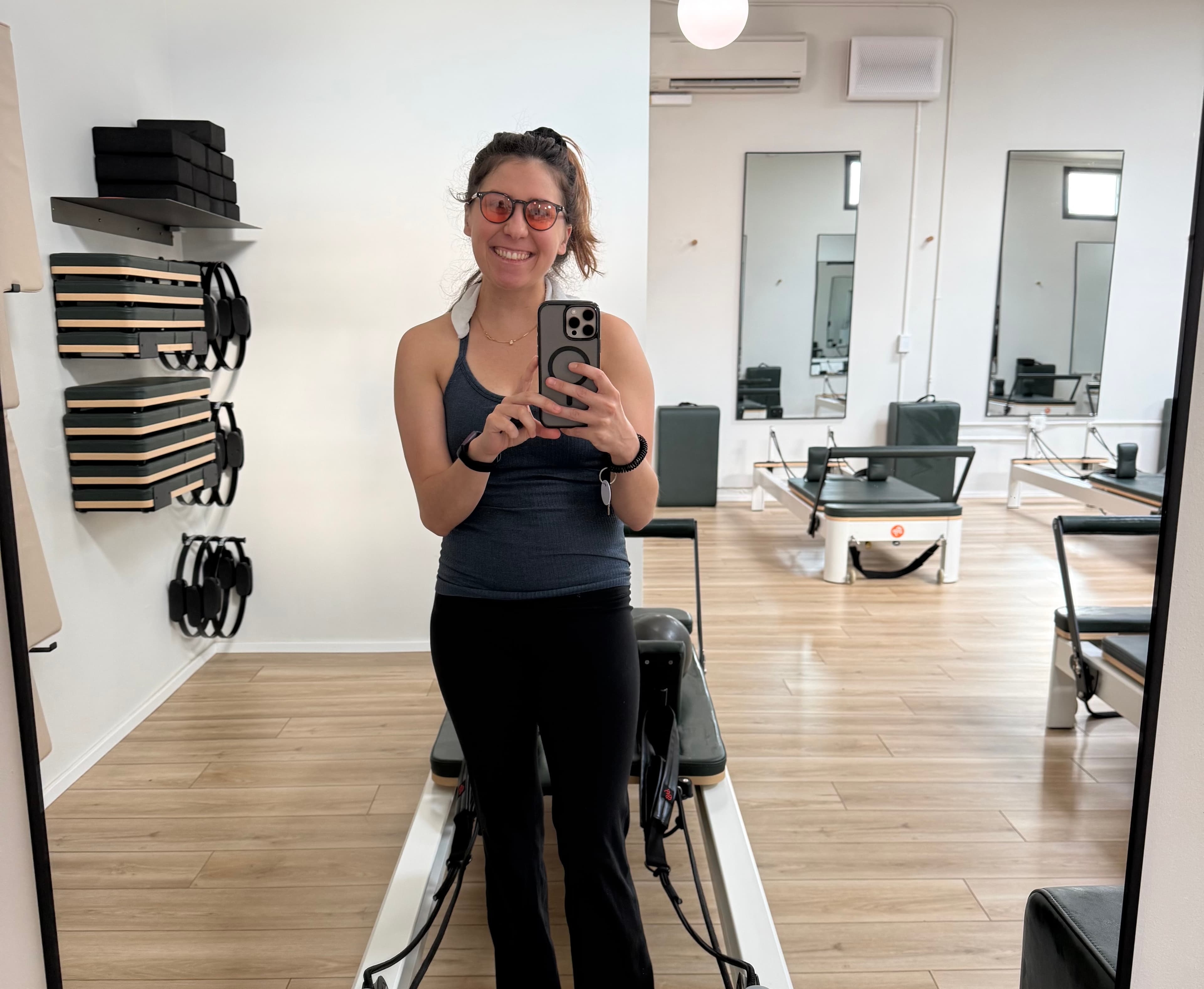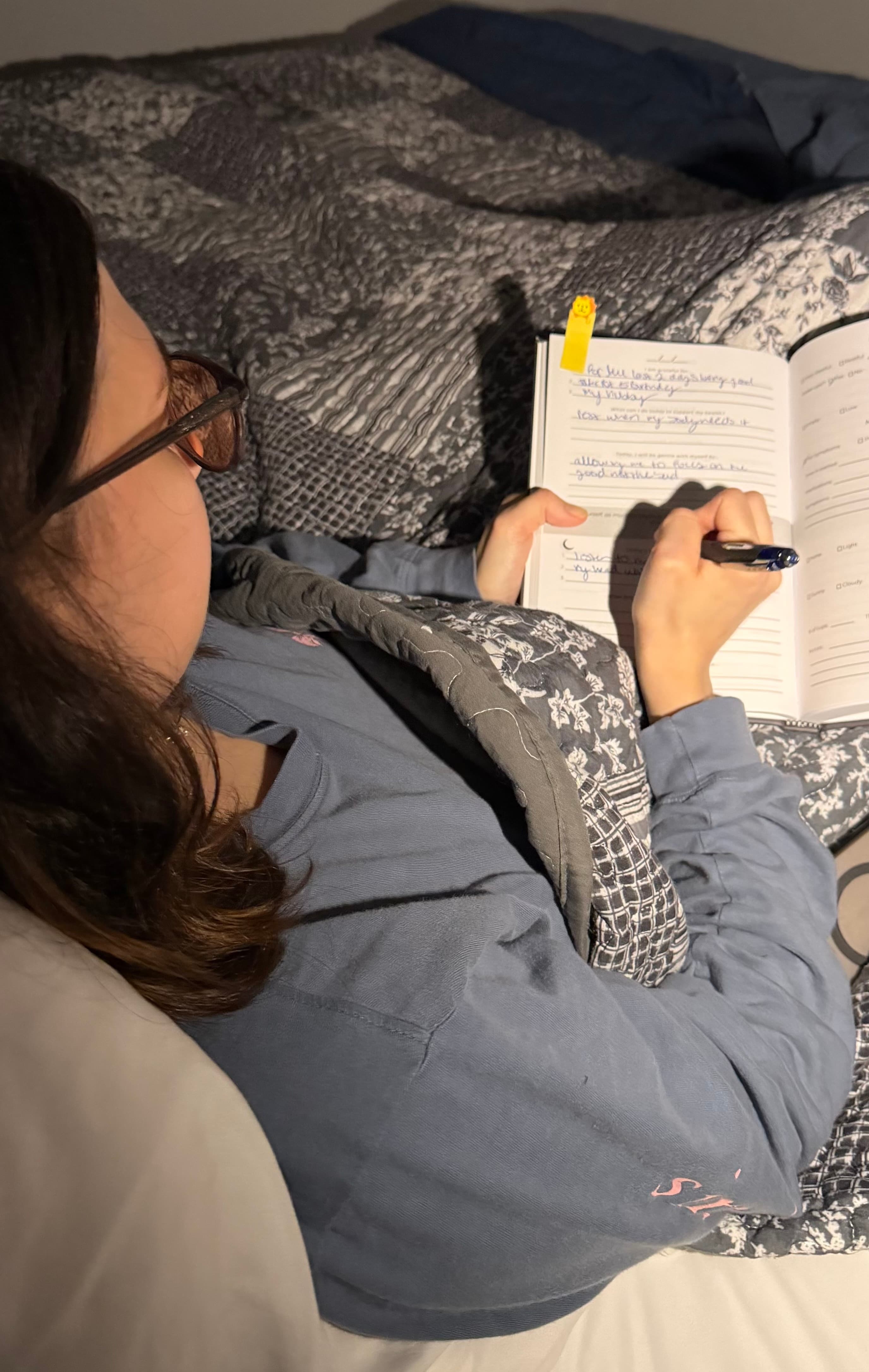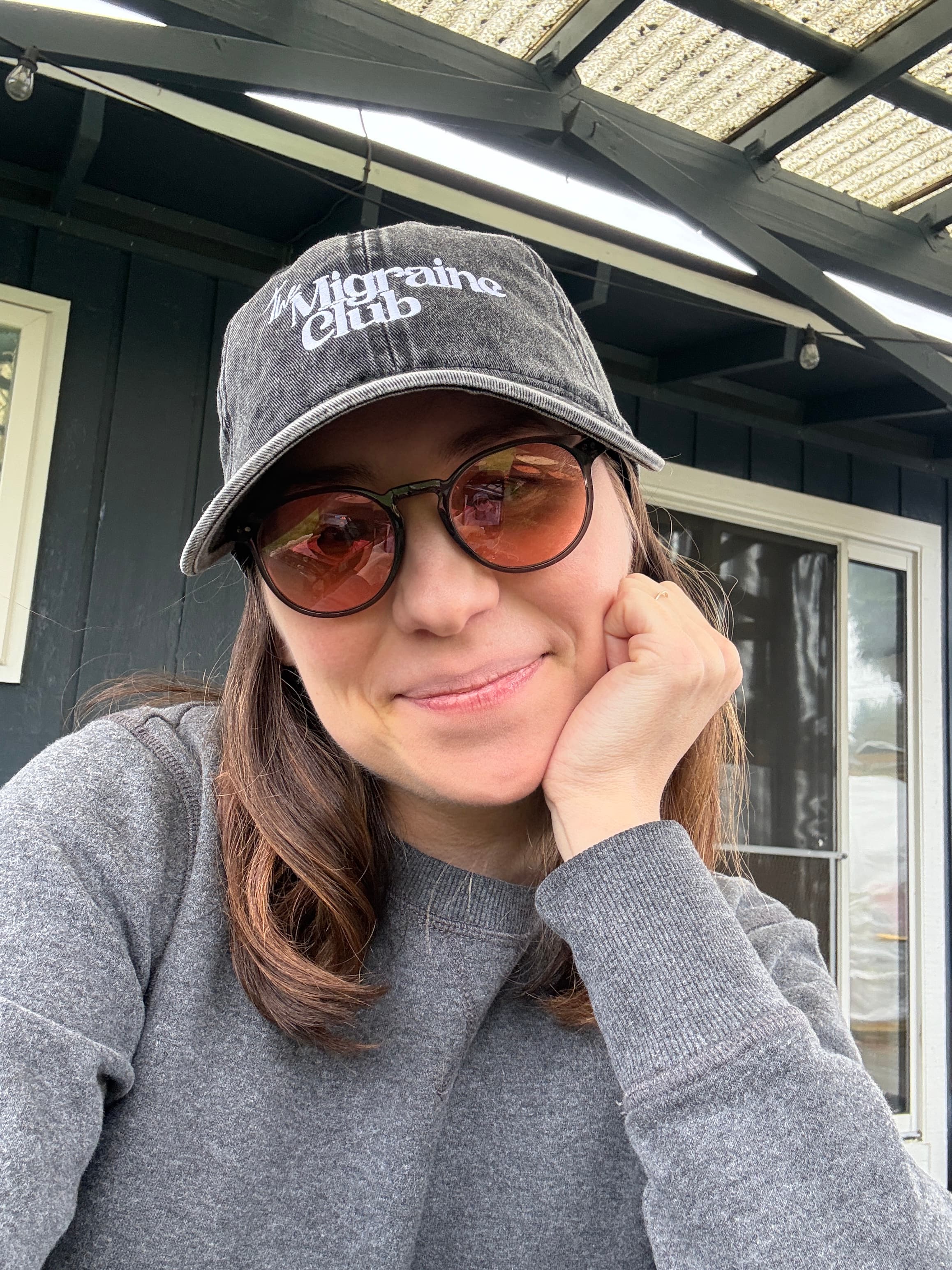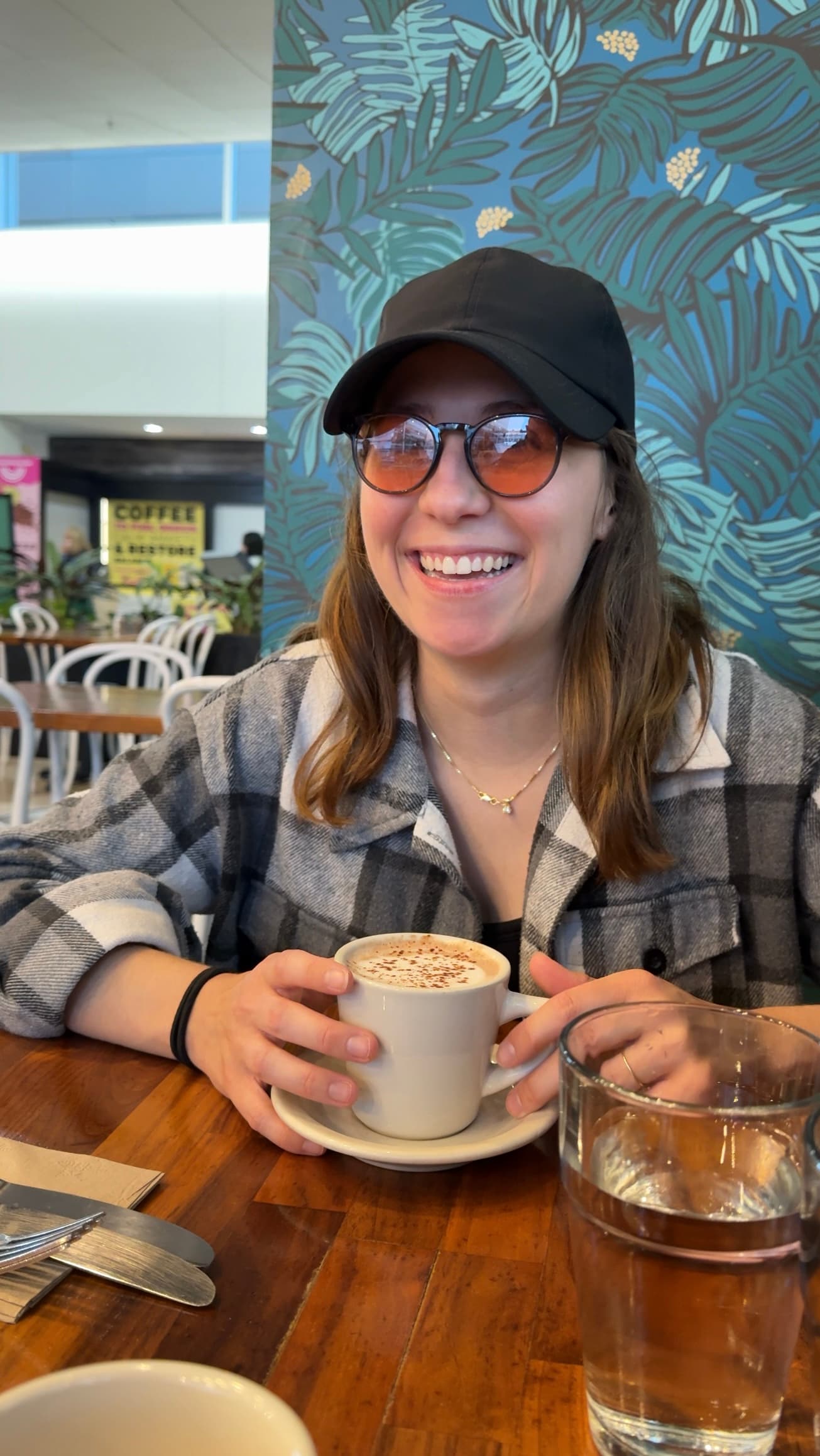
Hi, I'm Deena.
I created The Migraine Network in January of 2025, not because I had everything figured out, but because I didn't.
Migraine disease has been part of my life for as long as I can remember. And even now, there are days I want to scream, stop, I can't take this anymore. Migraine is deeply misunderstood, and that misunderstanding creates a kind of isolation that's hard to explain. Even when you have an incredible support system, the loneliness can still feel overwhelming.
The idea for The Migraine Network lived in my head for years. Fear and embarrassment kept me quiet. I worried about what people would think, how my story would be received. It wasn't until last year that I finally listened to my husband, who pushed me to stop hiding and start sharing. He's my biggest cheerleader, especially on the days I struggle to believe in myself.
One of the most common questions I get on my social media accounts is: What's your migraine story?
The truth is, it's not a short answer. It's a long story filled with pain, grief, and chapters I'm still not ready to share. Some parts are still too heavy. I like to think that one day I'll be able to tell all of it, but for now, this is the part I can write without breaking open.
The Beginning
I'm the youngest of three and the only daughter, which obviously means I'm the favorite.
We were healthy kids. Until suddenly, we weren't.
There was no warning. No explanation. My parents were healthy. Our extended family was healthy. And yet, two out of three of their children became sick with no clear reason why.
My brother and I had different symptoms but one thing in common: violent vomiting. Hours at a time.
My brother fit the classic migraine picture: head pain, scalp sensitivity, light sensitivity, vomiting. I was the opposite, severe stomach pain and relentless vomiting, what we now know as abdominal migraine.
My brother would say, "My hair hurts."
Shortly after, I started saying, "My tummy hurts."
I was about three years old when it started.
One of my earliest memories is running down the hallway screaming "my tummy hurts" and then vomiting everywhere. I remember my mom on her knees trying to comfort me. Minutes later, my brother ran out of his room doing the same thing.
That moment was the beginning of years of emergency room visits.
Two kids. Normal test results. No answers.
As the years went on, my mom fought relentlessly for us. There's a reason people called her Mama Tiger. She never allowed doctors to dismiss what we were experiencing or convince us it wasn't real.
I don't think she'll ever fully understand how much it meant to me that she didn't listen when doctors said things like, "It's just anxiety." "They're attention seeking." "She just wants to get out of school."
If you are a parent of a chronically ill child, please hear this: believing your child matters more than you know.
Around age five, I was hospitalized so doctors could monitor my brain activity through an EEG. Eventually, we were both diagnosed with silent seizures. The theory was that the vomiting was happening after seizure activity, and because our EEGs were abnormal, the diagnosis seemed to fit.
It turned out to be wrong, but strangely, the treatment helped.
We were placed on anti seizure medication and antidepressants, and the vomiting stopped. It doesn't surprise me now, anti seizure medications and antidepressants are commonly the first line preventive treatment for migraine.
During that time, a neurologist told my mom something I will never forget. He said this was genetic. That my brother would grow out of it by puberty. That I would get worse. And that one of my parents would develop it later in life, probably in their fifties.
We weren't even diagnosed with migraine yet and somehow, every part of that prediction came true.
Teenage Years
When my brother turned fifteen, his symptoms disappeared. The head pain, the light sensitivity, the vomiting. All of it, gone.
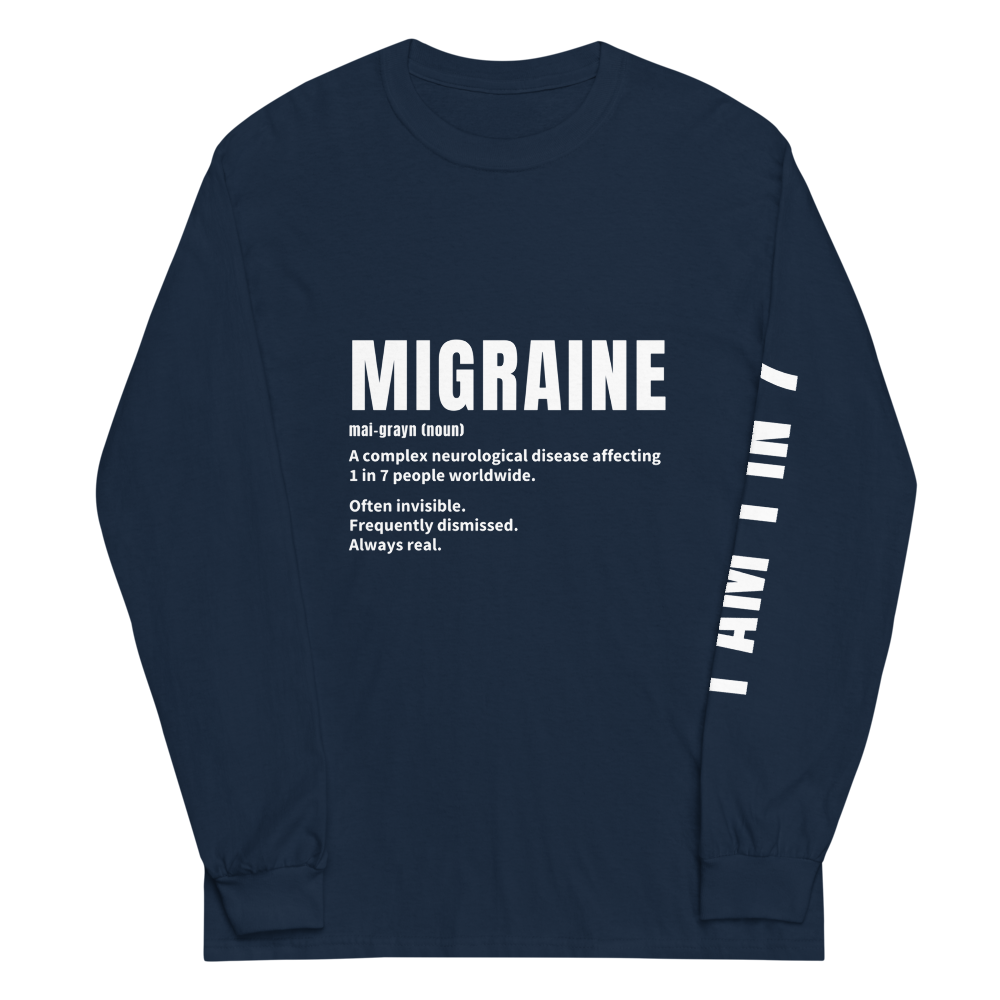
From our shop
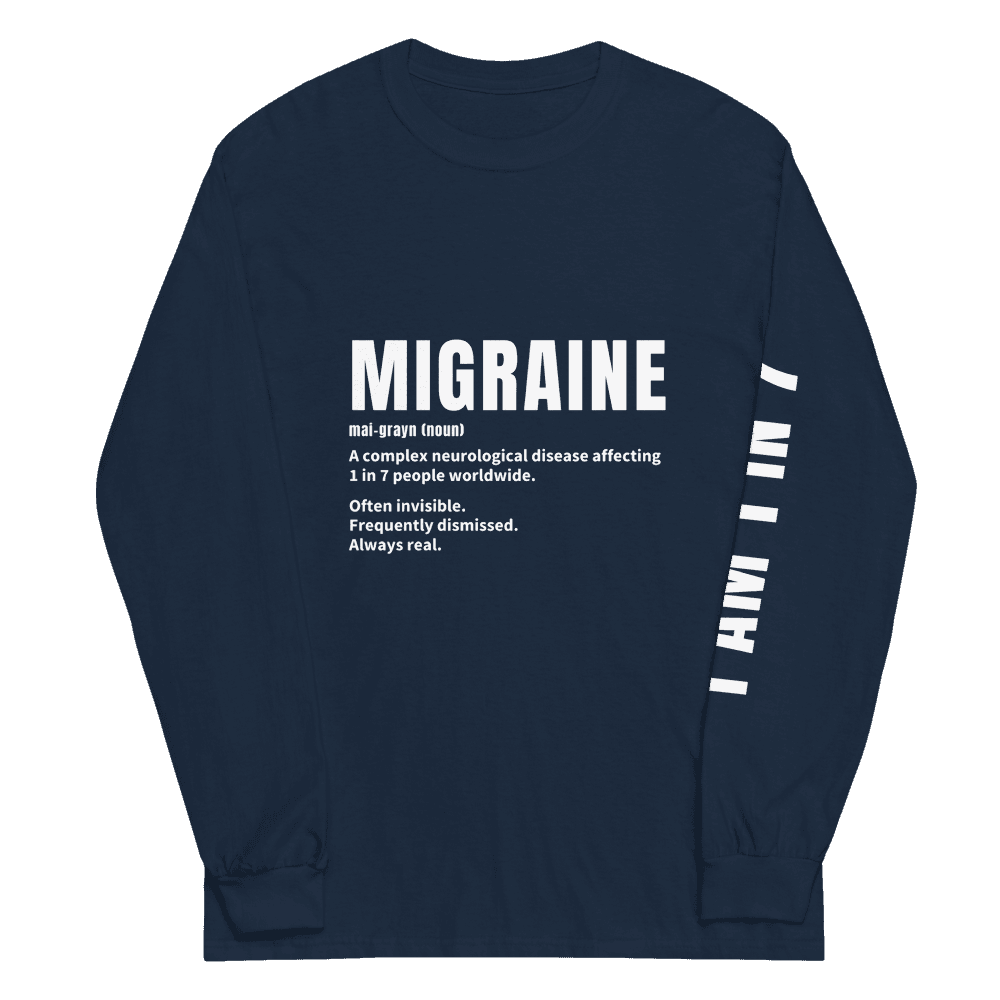
Migraine Definition Sweatshirt
Shop nowDesigned by The Migraine Network 💜
When I turned fifteen, my head pain arrived. It wasn't unbearable at first. But it was constant.
I was exhausted. Foggy. Struggling to function. The solution was always the same: increase the dosage.
During my senior year of high school, I was taking college classes at night when I received a text that split my life into before and after: "There's an ambulance at your house."
Four weeks after my mom's fiftieth birthday, she was hospitalized with stroke-like symptoms. Despite normal imaging, she was dismissed and sent home. I won't share more of this part, it's not my story to tell, but it matters to what comes next.
While my mom searched for answers, my own symptoms worsened.
I had just moved to Washington when my vision started disappearing. My legs felt like jelly. My head felt like it was going to explode. The pain was relentless. I remember lying on the floor thinking this has to be a brain tumor, because I genuinely didn't believe life should exist at that level of pain.
Because I was in a new state, I had to start over with doctors.
At my first appointment, a neurologist stared at my chart and asked: "Are these dosages correct?"
I was severely overmedicated. He told me it was shocking that I could stand upright and that I was incredibly lucky my liver was still functioning. He was also the doctor who finally gave me the correct diagnosis.
Chronic migraine.
Two years later, my mom was diagnosed with chronic hemiplegic migraine, a form of migraine that can look and feel like a stroke.
From our shop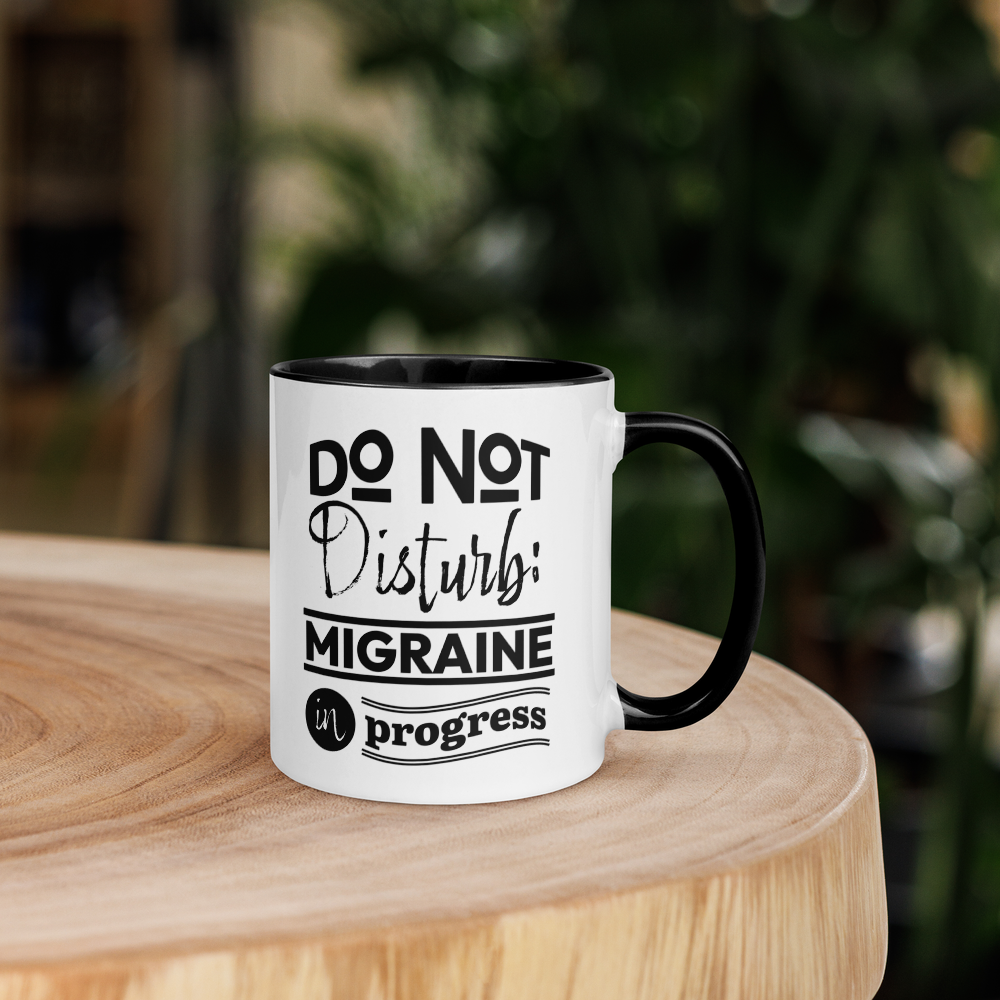
"Do Not Disturb" Migraine Mug
Shop nowDesigned by The Migraine Network 💜
I still think about the neurologist who told my parents years earlier that this was genetic. He had the wrong diagnosis, but somehow predicted exactly what would happen. My brother's symptoms stopped at puberty. Mine got worse. My mom was diagnosed in her fifties.
Twenties to Present
It's been nine years since my chronic migraine diagnosis, and I haven't had a single symptom free day. Looking back, I'm confident I was living with chronic migraine long before I ever had the words for it.
My twenties have been some of the hardest and darkest years of my life. This is the part of the story that's still difficult to talk about. Chronic migraine wasn't the only thing I was navigating, multiple diagnoses followed over the years, each one adding another layer to what I was already carrying.
But through every low point, one thing has remained true: I am not my diagnosis.
My life has taken unexpected turns. My body has changed the path I thought I was on. But my worth has never changed.
I took something incredibly painful, something that is still happening, and turned it into purpose. Because as humans, we don't just survive on answers. We survive on meaning.
I can't change my DNA. That's out of my control. This disease is something I will carry. So instead of fighting who I am, I chose to build something with it.
I advocate. I raise awareness. I connect with people who live this life every single day.
What I underestimated was the power of community. Of being understood without having to explain. Not just the disease itself, but the grief. The constant mental math of can I do this today, or does it have to wait? The exhaustion of appointments. The invisible negotiations that shape our lives.
Finding people who get all of that changed everything.
If you're reading this and wondering whether your life still has purpose despite illness, pain, or loss, please hear me: your story is not over. It's still unfolding. And it still matters.
If you're looking for a space where you don't have to explain yourself, consider joining one of our migraine support groups, I'd love to see you there.
This article is for educational purposes only and is not medical advice. It is not a substitute for professional diagnosis or treatment. Always talk with a qualified healthcare provider before making changes to your care, medications, or supplements.
Written by Deena Migliazzo
Migraine advocate, educator, and founder of The Migraine Network. Living with chronic migraine and dedicated to building community, education, and resources for others who get it.
Learn more about Deena