
If you live with migraine, I can almost guarantee someone has said it to you at some point:
"You need to exercise more."
"You wouldn't feel so sick if you weren't in bed all day."
Migraine is one of those diseases that is incredibly easy to dismiss and gaslight, mostly because it's invisible. We live in a culture that ties self worth to productivity and movement. When someone isn't active, the assumption is often laziness or lack of motivation. Rarely does anyone stop and ask, "I wonder if Deena's low mobility is because she's managing a neurological disease."
Because migraine is invisible, we get blamed for what our bodies can't do instead of supported for what they're enduring.
This blog is about what exercise and migraine actually look like together, not the version where movement solves everything, but the honest version, where the relationship is complicated and deeply personal.
What the Science Actually Says
Research shows that regular, appropriately paced physical activity can support people with migraine in several meaningful ways. Exercise may help regulate neurotransmitters involved in pain processing. It can reduce stress hormones like cortisol. Consistent low impact activity may reduce migraine frequency for some people over time.
But here's the part that rarely gets said clearly: most of those benefits are observed when exercise is introduced gradually and sustainably. The research does not say that intense workouts or pushing through symptoms is helpful, especially for people with chronic or intractable migraine. For many of us, exercise itself becomes a trigger if it's introduced too quickly.
Science supports movement. It also supports pacing, adaptation, and respecting the body's limits.
Where the Stigma Actually Comes From
Exercise has real benefits. But when you're living with a disease that is unpredictable, neurological, and capable of hijacking your entire nervous system, movement is not simple.
For the first half of my twenties, exercise wasn't an option. I was stuck in survival mode. By the end of the day, I had nothing left. I was lucky if I made it through a full workday without needing to go home early.
This is where my frustration with wellness culture, and with some medical professionals, deepened. Telling someone they need to exercise, without living in their body, without understanding their disease, while making assumptions based on weight, that's dismissal, not medical advice.
During that period, I lost all my muscle mass. I weighed under 100 pounds. I wasn't healthy, not just because of migraine, but because my body was barely surviving.
Just because science says something is good doesn't mean every person is capable of doing it the same way.
Understanding Threshold Theory (And Why It Changes Everything)
Threshold theory is one of the most important concepts I've learned when it comes to migraine, and it applies directly to exercise.
Think of an empty cup when you wake up in the morning. Throughout the day, that cup fills every time you encounter a trigger, high stress, skipped meals, strong fragrances, poor sleep, hormonal changes. Once the cup overflows, a migraine attack begins.
Exercise places a demand on the nervous system. Even gentle movement adds water to the cup. How much depends entirely on the person, the type of movement, and where your threshold is that day.
Understanding this replaced my frustration with self compassion. Exercise wasn't my enemy. My cup was just already too full to tolerate it.
How to Introduce Exercise When You Live With Migraine
The goal of exercise when you live with migraine is not weight loss, intensity, or performance. The goal is nervous system tolerance, consistency, and safety.
Everything here is written for people starting from very little, from burnout, fear, or repeated exercise triggered attacks.
1. Start Slower Than You Think You Should
If you take nothing else from this post, take this: starting too fast is the fastest way to fail.
Your body does not have an exercise threshold right now. That threshold has to be built.
When I started, I walked on a treadmill for two minutes. That was it. And yes, those two minutes triggered attacks at first. But I stayed there. I didn't push through. I let my nervous system learn that movement wasn't a threat.
If your cup is already full, even gentle movement adds water. Starting slow gives your body a chance to adapt without overflowing.
Start with one to five minutes, not twenty to thirty. Choose something that feels almost too easy. If you think this can't possibly help, you're probably starting in exactly the right place.
Progress starts where your body is, not where you wish it were.
2. Choose Low Impact, Predictable Movement First
In the beginning, unpredictability is a trigger in itself. Choose movements that are low impact, controlled, repetitive, and easy to stop immediately like, slow walking, a recumbent bike, gentle yoga, light resistance bands, floor based mobility work.
From our shop
Migraine Definition Sweatshirt
Shop nowDesigned by The Migraine Network 💜
High intensity workouts, jumping, fast transitions, or environments with loud music and bright lights can overload the nervous system quickly.
3. Build a Pre Exercise Safety Checklist
Exercise doesn't start when you move. It starts before you move.
Before exercising, ask yourself: Have I eaten recently? Am I hydrated? Is the room cool enough? How full is my cup today?
Blood sugar drops, dehydration, overheating, these all stack triggers before you've even started. Eating a small snack with protein and carbs beforehand, keeping the room cool, drinking water before and after, these steps protect your threshold before the workout begins.
4. Redefine What "Counts" as Exercise
Exercise doesn't have to look like sweat, exhaustion, or soreness.
Stretching counts. Mobility counts. Gentle walking counts. Five minutes counts.
If it supports circulation, strength, or nervous system regulation without triggering symptoms, it counts. Letting go of what exercise is "supposed" to look like is one of the most important shifts you can make.
5. Expect Setbacks and Plan for Them
Setbacks don't mean you did something wrong. Migraine is not linear.
Have low energy movement options ready. Allow rest days without guilt. Scale back during flares, hormonal shifts, or high stress periods.
Consistency over time matters more than intensity on any single day.
6. Practice Radical Patience
This process is slow because your nervous system needs safety, not force.
It took me a full year to reach an hour on a treadmill. A full year, after years of survival mode, muscle loss, and severe limitation.
From our shop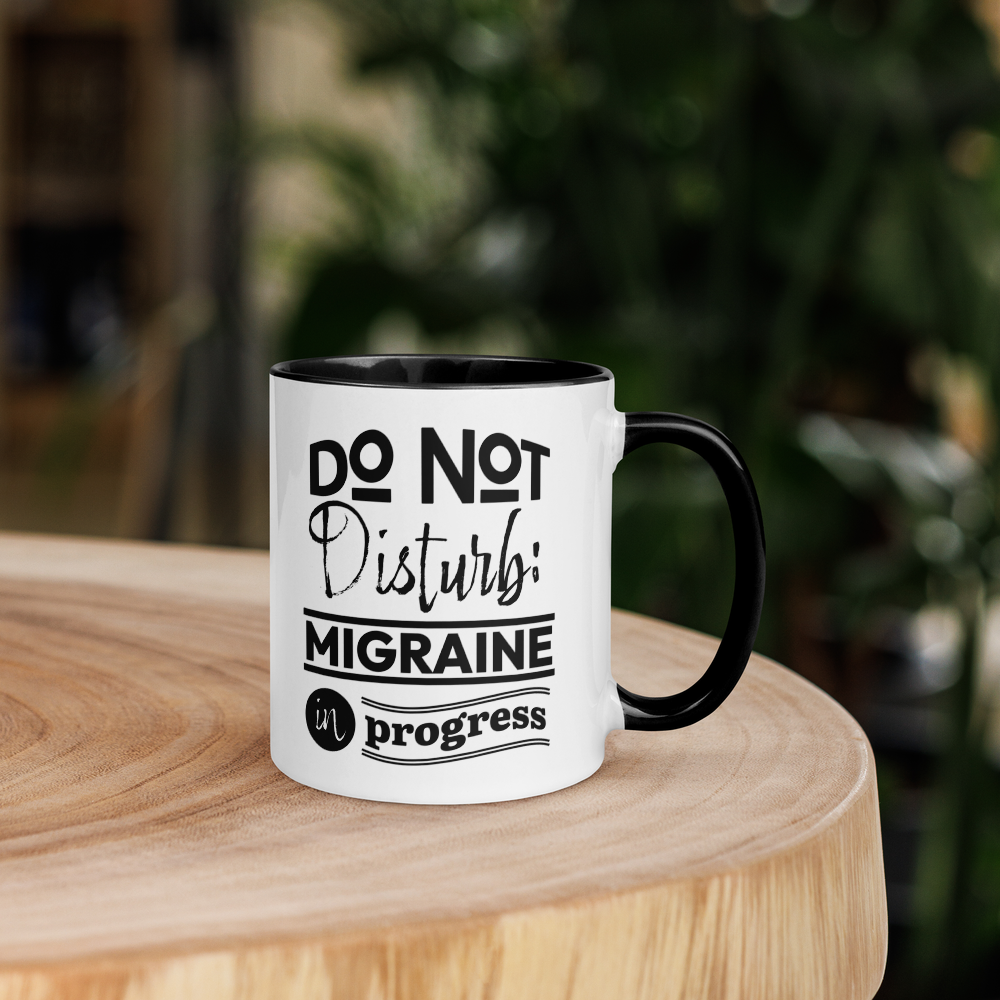
"Do Not Disturb" Migraine Mug
Shop nowDesigned by The Migraine Network 💜
Your timeline may look completely different and that doesn't make it wrong. Patience isn't giving up, it's choosing a path your body can actually sustain.
7. Expect a New Threshold Every Time You Try Something New
Even if you're already exercising, introducing a new type of movement often means building a brand new threshold.
Your body doesn't automatically generalize tolerance from one activity to another. Walking, Pilates, strength training, yoga, they all place different demands on your nervous system.
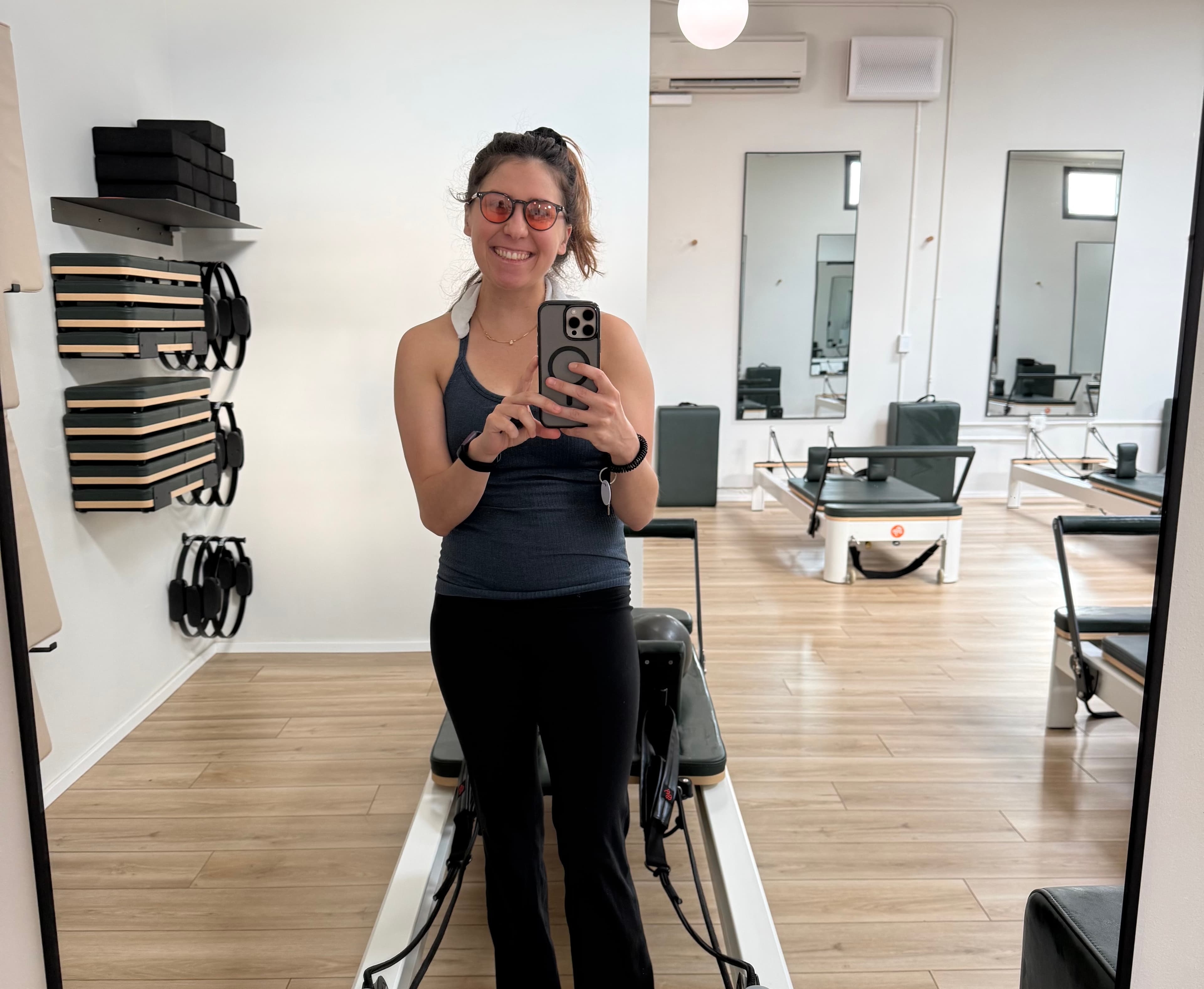
When I first started Pilates, it consistently triggered attacks. That was frustrating, especially because I was already exercising regularly. But instead of giving up, I treated it like starting from zero again, scaled back, shortened the sessions, gave my body time to adapt.
Over time, Pilates stopped triggering attacks. Eventually it became one of the most supportive things I do for my nervous system.
Treat every new exercise type like a fresh start. Early symptoms don't always mean an exercise is harmful. Sometimes they mean your body is still learning.
A Note on the Guide
If you want a step by step framework for building your threshold back up, including how exercise fits into the larger picture alongside sleep, eating, diary tracking, and stress, I put together a guide called The Migraine Guide: 6 Steps to Fewer Attacks that walks through each foundation in the order that actually makes sense to implement them.
Closing Thoughts
Exercise and migraine exist in a complicated relationship, one that can't be reduced to motivation, discipline, or willpower.
The problem isn't that people with migraine don't want to move, it’s that our nervous systems are already carrying more than most bodies ever have to. When your threshold is constantly being tested by pain, sensory overload, hormonal shifts, stress, and fatigue, even small amounts of movement can feel like too much.
Reintroducing exercise with migraine isn't about pushing harder. It's about listening better, learning when to try, when to rest, and when to pause without shame.
Progress doesn't look dramatic here. It looks like two minutes on a treadmill that eventually becomes five, then ten, only when your nervous system is ready.
And if exercise isn't accessible to you right now, that doesn't make you lazy, weak, or unmotivated. It makes you someone living with a real, complex disease in a world that doesn't always understand it.
Your body is not the enemy. Your limits are not character flaws. And honoring your threshold is not giving up, it's how healing actually begins.
This article is for educational purposes only and is not medical advice. It is not a substitute for professional diagnosis or treatment. Always talk with a qualified healthcare provider before making changes to your care, medications, or supplements.
Written by Deena Migliazzo
Migraine advocate, educator, and founder of The Migraine Network. Living with chronic migraine and dedicated to building community, education, and resources for others who get it.
Learn more about Deena