I've had severe environmental allergies my entire life. And every spring, without fail, my migraine attacks cluster. The timing stopped feeling like a coincidence a long time ago, but it took me years to understand why, and even longer to start managing both conditions together instead of fighting them separately.
If you've noticed your attacks getting worse during certain seasons, or if you have year round allergies and feel like your baseline is always elevated, this pattern is real. And while researchers are still working to understand the full picture, we know enough to talk about what's happening and what can actually help.
The Short Answer: Allergies May Lower Your Migraine Threshold
Migraine is a genetic neurological disease, you either have the wiring for it or you don't.
But research suggests allergies may lower your migraine threshold. Think about the cup metaphor. Every day, your cup fills with triggers and stressors. When it overflows, a migraine attack begins. Allergies don't create the cup, but they may add water to it, sometimes a lot of water.
During peak allergy season, some people start each day with their cup already half full before they've gotten out of bed. That means it takes far less additional stress, a skipped meal, poor sleep, a stressful meeting, to tip into an attack.
This is why the same triggers that feel manageable in January can feel impossible in April.
What's Happening in Your Body
When you're exposed to allergens, pollen, mold, dust, pet dander, your immune system treats them as threats and releases chemicals, including histamine, to fight them off.
Histamine's Role in Migraine
Histamine isn't just responsible for watery eyes and congestion. Research shows it may also dilate blood vessels in the brain (which can activate pain pathways involved in migraine), trigger pain signaling in the trigeminal nerve system (the main pathway in migraine attacks), and lower your overall migraine threshold by adding to the total nervous system load.
Studies suggest that people with migraine have elevated plasma histamine levels and may be more sensitive to it than those without the disease. During allergy season, your body is producing more histamine than usual, and that extra load may be filling your cup even when everything else seems manageable.
Allergies Create Systemic Inflammation
Allergic reactions aren't localized. When your immune system detects allergens, it releases inflammatory chemicals throughout your body, not just in your sinuses.
The problem is that many of those same inflammatory chemicals are elevated during migraine attacks. Your immune system doesn't compartmentalize. When inflammation is happening in your sinuses or airways, those signals reach your brain. For a migraine brain that's already hypersensitive to change, this systemic inflammation may act as a significant stressor, even when you're not consciously aware of it.
Common Allergy Triggers That May Affect Migraine
Seasonal allergens: tree pollen (oak, birch, cedar, maple) peaks in early spring; grass pollen peaks in late spring and summer; ragweed and weed pollen peaks in late summer and fall; mold spores increase after spring rain.
Environmental allergens: dust mites, pet dander, indoor mold, cockroach droppings.
Weather related triggers: barometric pressure changes (which often accompany weather systems that bring pollen), sudden weather shifts, high pollen days with dry windy conditions.
From our shop
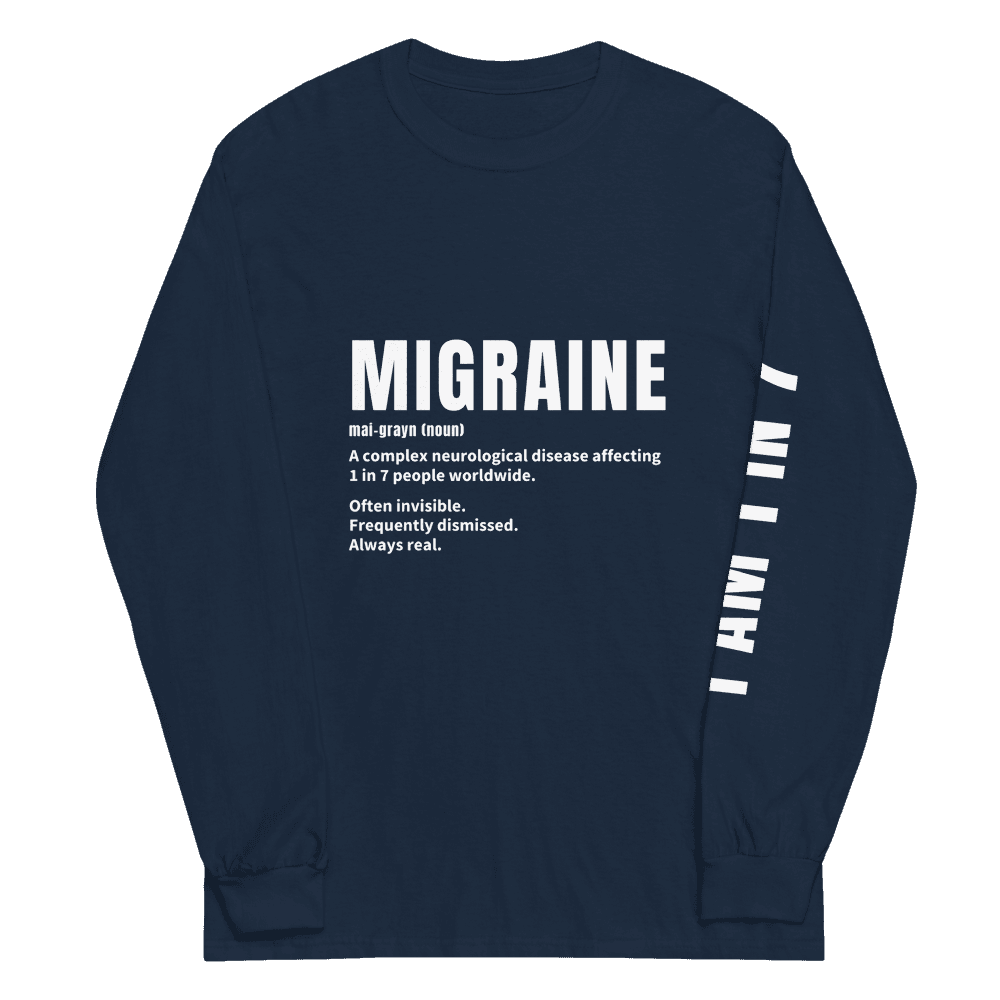
Migraine Definition Sweatshirt
Shop nowDesigned by The Migraine Network 💜
Sensory load: increased outdoor light exposure during longer spring days, strong smells from blooming plants or freshly cut grass.
Why Spring Feels Like a Perfect Storm
For people with migraine, it's multiple threshold lowering factors arriving at the same time: pollen counts rising, weather becoming unstable, daylight hours increasing, outdoor activity increasing, and mold spores spiking after rain.
For people without migraine, this is just spring. For those of us with migraine, it's everything stacking at once. This is also why people often blame one specific thing, it must be the pollen, it must be the weather, when really, it's the combination. The cup was filling from multiple directions at once.
What Can Actually Help
Managing allergies will help reduce your baseline allergy load and may give your nervous system more room, and that margin can matter.
Managing your allergies directly is the most straightforward place to start. When allergy symptoms are under control, your immune system isn't in constant overdrive and your inflammatory load decreases. Talk to your doctor about options, antihistamines, nasal corticosteroid sprays, leukotriene inhibitors, or allergy shots (immunotherapy, available only for those who test positive for specific allergies), to find what's appropriate for you.
Reducing your allergen exposure:
- Limit outdoor time on high pollen days (check local pollen counts before going out)
- Keep windows closed during peak pollen season
- Use air purifiers with HEPA filters at home, especially in your bedroom
- Shower and change clothes after being outside to remove pollen from your hair and skin
- Avoid exercising outdoors in the morning when pollen counts are highest
Nasal rinses and saline sprays can help clear allergens from your nasal passages before they trigger a full immune response. I use a saline rinse during allergy season and it makes a noticeable difference in my sinus pressure and overall load.
From our shop
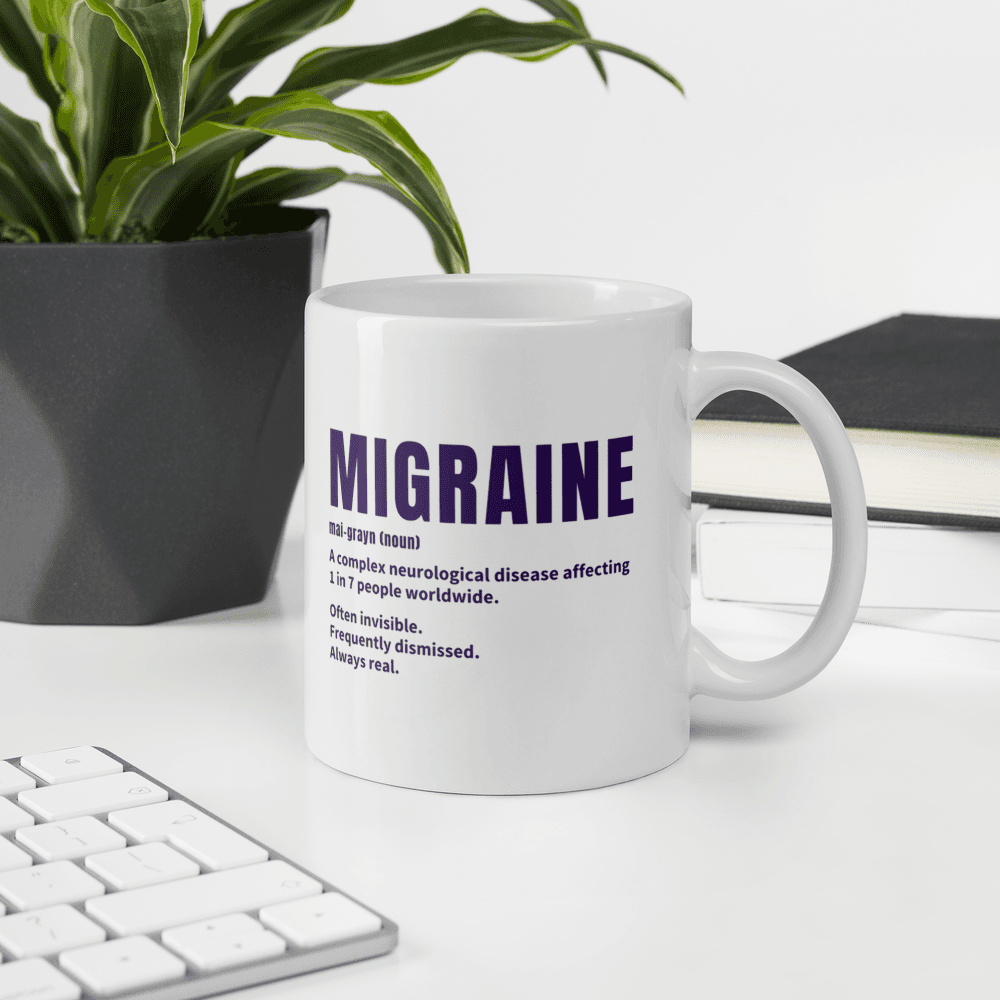
"Do Not Disturb" Migraine Mug
Shop nowDesigned by The Migraine Network 💜
Reducing indoor allergens:
- Wash bedding weekly in hot water
- Use dust mite covers on pillows and mattresses
- Vacuum regularly with a HEPA filter vacuum
- Control indoor humidity to prevent mold growth (aim for 30 to 50%)
- Clean air conditioning filters regularly
Protect your other foundations during allergy season. When your cup is already filling faster from allergies, protecting your baseline becomes even more important. Stay hydrated. Eat regular meals. Protect your sleep schedule as much as possible. Reduce optional stressors when you can. This isn't about doing everything perfectly, it's about recognizing that during high load periods, your baseline needs extra protection.
If you want to go deeper on how to stabilize your baseline and raise your threshold during seasons when your load is higher, I walk through the full framework in my guide, The Migraine Guide: 6 Steps to Fewer Attacks.
Closing Thoughts
I can't control pollen counts. I can't control my immune system's response to them. I can't make spring less brutal.
What I can do is support my brain proactively during a season when it's already under extra load, managing my allergies more aggressively, running air purifiers, limiting outdoor time on high pollen days, protecting my sleep and meals more carefully when I know my cup is filling faster.
It doesn't prevent every attack. But it gives my nervous system a fighting chance.
Allergies worsening your migraine is an extra inflammatory load your body is carrying, load you didn't choose and can't eliminate. You can't control the allergens. But you can support your brain through them.
This article is for educational purposes only and is not medical advice. It is not a substitute for professional diagnosis or treatment. Always talk with a qualified healthcare provider before making changes to your care, medications, or supplements.
Written by Deena Migliazzo
Migraine advocate, educator, and founder of The Migraine Network. Living with chronic migraine and dedicated to building community, education, and resources for others who get it.
Learn more about Deena