I lived with migraine for twenty five years before light started hurting me all the time.
For most of those years, I wasn't particularly light sensitive between attacks. Light bothered me during an attack, like it does for most people with migraine, but outside of that, I was largely fine. Friends in the migraine community had been suggesting light sensitivity glasses for years, and I kept thinking: that's not really my issue.
Then, seemingly overnight, it was.
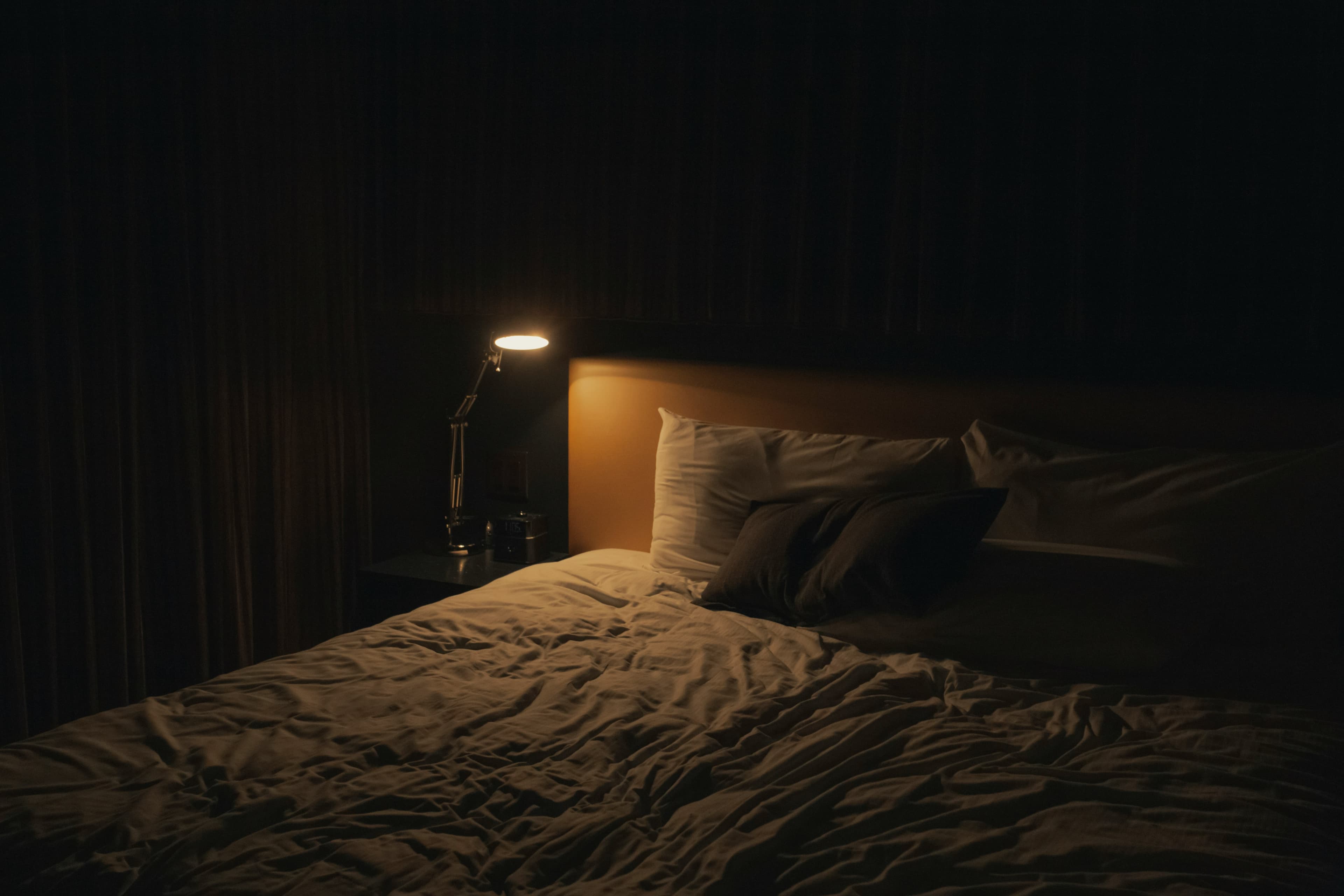
The transition was disorienting. Overhead lights at work became unbearable. Grocery store lighting felt like an assault. Driving at night became something I feared. Screens I'd stared at for hours a day for years started triggering pain. My nervous system had shifted, and light had become a near constant problem.
I bought my first pair of TheraSpecs and, honestly, wow. I spend more than eight hours a day on a computer, and that daily screen time became genuinely more tolerable. Grocery stores stopped being something I braced for. Driving at night, which had started to feel like something I needed to avoid, became manageable again.
I share that not to sell you glasses, but because I spent years assuming I didn't need them, and it took developing constant light sensitivity to understand what they actually do. Light sensitivity isn't just a problem for the most severe cases. It's also not something you just push through.
So let's talk about what's actually happening, and what can actually help.
What Is Migraine Light Sensitivity?
Light sensitivity, also called photophobia, is one of the most common and disabling symptoms of migraine disease. It can occur during an attack, between attacks, or be present nearly all the time in people with chronic migraine.
Photophobia means your brain is processing light differently.
In a migraine brain, certain types of light overstimulate the nervous system. This can trigger or worsen head pain, nausea, dizziness, vertigo, brain fog, eye strain, and fatigue. It's why even normal lighting, fluorescent bulbs, LED screens, grocery store overheads, overcast daylight, can feel completely unbearable when the nervous system is reactive.
Why Light Hurts During a Migraine Attack
Certain wavelengths of light, especially in the blue green range, are more likely to activate pain pathways in the migraine brain. Instead of being filtered out, that light amplifies discomfort and can prolong or intensify symptoms.
This explains why closing your eyes doesn't always provide relief, why wearing regular sunglasses indoors can feel uncomfortable over time, and why screens and overhead lighting tend to be especially triggering.
Migraine Glasses: What They Actually Do
Most migraine glasses are built around the same core idea: certain wavelengths of light are more likely to worsen migraine symptoms, so reducing exposure to those wavelengths can make light more tolerable overall.
The goal is not darkness, but balance.
This distinction matters. Completely blocking light, wearing dark sunglasses indoors consistently, can make light sensitivity worse over time by training the brain to expect darkness. Migraine glasses are designed to do the opposite: protect the brain from harsh wavelengths while still allowing enough comfortable light through. This reduces sensory overload without creating dependence on darkness.
From our shop
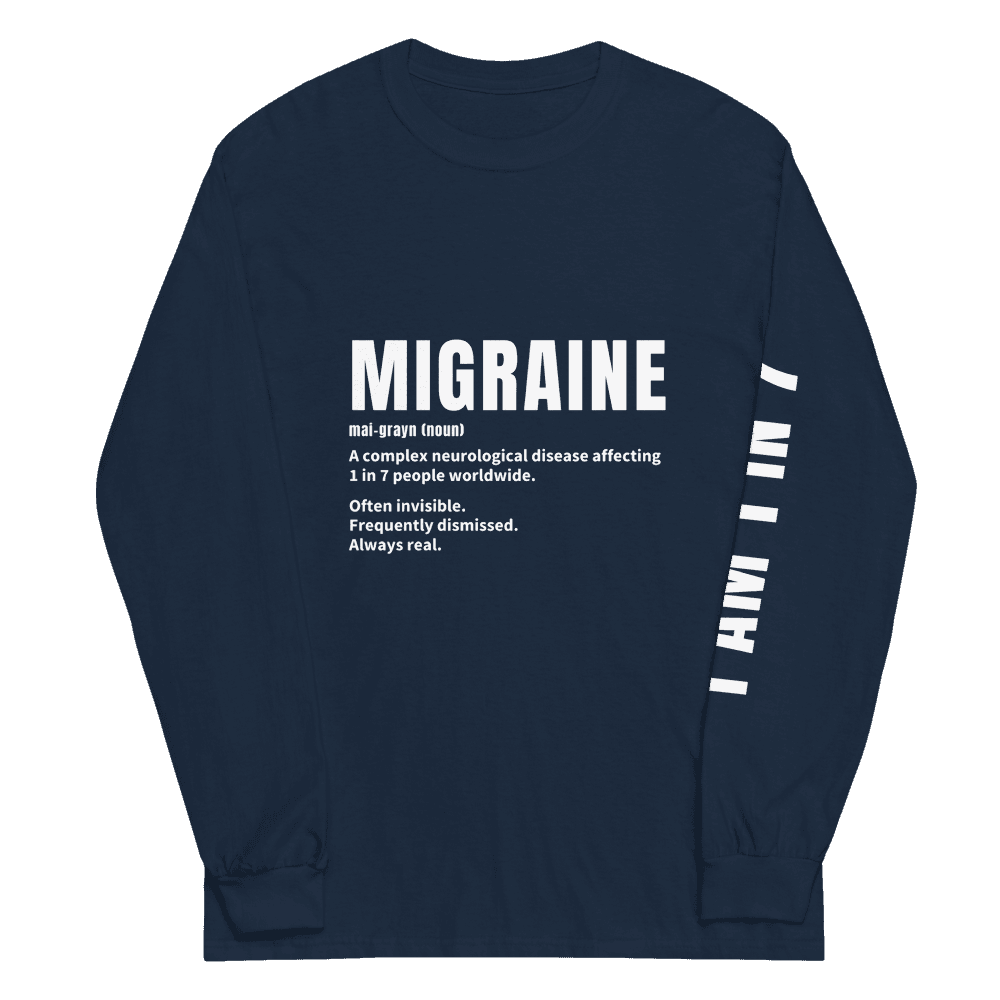
Migraine Definition Sweatshirt
Shop nowDesigned by The Migraine Network 💜
FL41 Lenses
FL41 is a rose tinted lens designed to block parts of the blue green light spectrum that are known to activate migraine related pain pathways. Unlike regular sunglasses, FL41 lenses don't block all light, they soften harsh lighting, particularly fluorescent lights, LED screens, and indoor glare, while still allowing enough through for everyday activities.
For many people with migraine, FL41 lenses make environments like grocery stores, offices, and screen heavy workspaces feel meaningfully less overwhelming.
TheraSpecs is one of the most well known brands using FL41 technology, specifically designed for migraine and photophobia. Because the rose tint is visible, they do stand out, but for most people I've talked to in the migraine community, the relief outweighs that pretty quickly.
Avulux Lenses
Avulux takes a different approach. Rather than a traditional tinted lens, Avulux uses a precision optical filter that selectively blocks migraine triggering wavelengths while allowing more natural light through. The lenses appear more neutral in color, which makes them a preferred option for people who want something less noticeable, especially for all day wear or driving. Avulux is one of the few migraine glasses brands that has been studied in clinical research and specifically designed for people with migraine.
Both options work toward the same goal: protecting the migraine brain from overstimulation without forcing it into darkness. Neither is a cure. Neither will work for everyone. But for people whose symptoms are meaningfully impacted by light, they can be a significant tool, especially alongside medical treatment and other migraine support.
Addressing the Stigma
I get asked this a lot: "Do you feel embarrassed wearing your glasses?"
From our shop
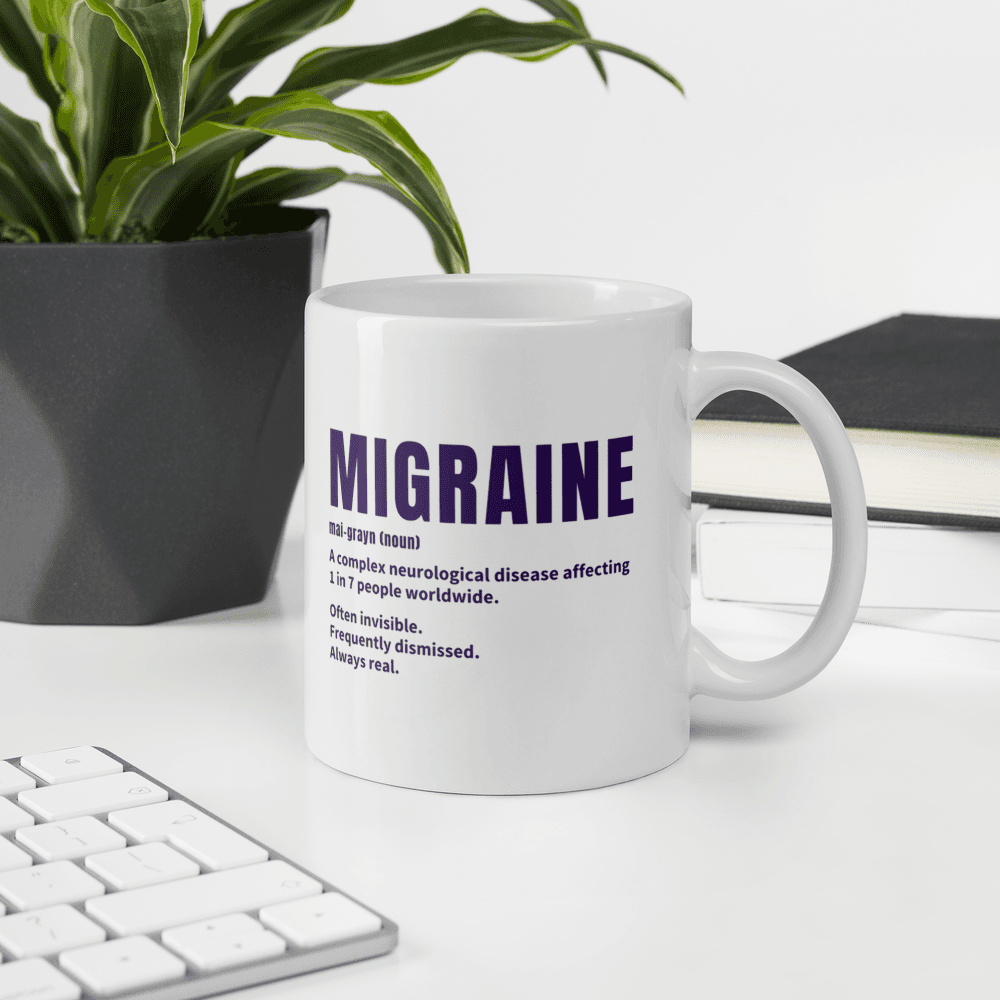
"Do Not Disturb" Migraine Mug
Shop nowDesigned by The Migraine Network 💜
At first, yes. I like blending in, and TheraSpecs definitely stand out. But once I realized how much they helped, and how much I'd been white knuckling environments I didn't need to, the embarrassment disappeared fast.
Needing tools isn't something to be ashamed of. Migraine glasses don't give us an advantage. They give us a more level playing field with people whose nervous systems aren't processing light the same way ours are.
I chose TheraSpecs over Avulux based on strong community reviews and better affordability for my situation. If you want to try them, you can use the code THEMIGRAINENETWORK to save $15.
A Final Thought
Light sensitivity is real, it is documented, and it is disabling in ways that are often invisible to the people around you.
For years, I managed environments around my light sensitivity without ever really addressing it. Learning to use tools, visible ones, ones that sometimes require explanation, has been one of the more freeing parts of navigating this disease.
You are allowed to need accommodations. You are allowed to use tools that make your life more manageable. And you are allowed to stop apologizing for having a nervous system that processes the world differently than most people's do.
Disclosure: This post contains affiliate links and, where noted, a personal discount code. As an Amazon Associate we earn from qualifying purchases, and if you use these links or codes we may earn a commission at no extra cost to you. These are honest opinions and this post is not sponsored.
This article is for educational purposes only and is not medical advice. It is not a substitute for professional diagnosis or treatment. Always talk with a qualified healthcare provider before making changes to your care, medications, or supplements.
Written by Deena Migliazzo
Migraine advocate, educator, and founder of The Migraine Network. Living with chronic migraine and dedicated to building community, education, and resources for others who get it.
Learn more about Deena