For a long time, I thought aura only meant seeing flashing lights. Mainly because that's what my medical team told me at the time, that aura looked like flashing lights, and I'd know it when I saw it.
What they didn't tell me was that aura could look like temporary numbness creeping up your arm. Or suddenly not being able to find a word mid sentence. Or smelling something that isn't there. Or feeling so dizzy you can't stand up straight.
When I connected with more people in the migraine community, I realized I wasn't alone in missing this. Many people experience aura for years without knowing that's what it is, because aura almost never gets explained beyond the visual.
In my opinion, aura is one of the most misunderstood parts of migraine. It's also one of the most frightening to experience without context. Many people have their first aura and genuinely believe they're having a stroke.
Once I understood what was actually happening in my brain, it less terrifying, and that matters more than people realize.
Where Aura Fits in a Migraine Attack
Migraine attacks unfold in stages, and understanding where aura fits makes it easier to recognize when it's happening.
Prodrome is the first stage, sometimes beginning hours or even days before the pain. It involves mood changes, fatigue, food cravings, yawning, the earliest signals that something is building. I write about prodrome in its own blog if you want to go deeper on that phase.
Aura comes next, typically in the window just before or during the early onset of pain. Aura symptoms are neurological in nature and usually temporary, lasting anywhere from a few minutes to about an hour.
The headache phase is what most people associate with migraine, the pain, light sensitivity, and nausea.
Postdrome is the recovery phase, often called the migraine hangover. The attack is winding down, but the brain and body are still recovering.
What Is Aura, Really?
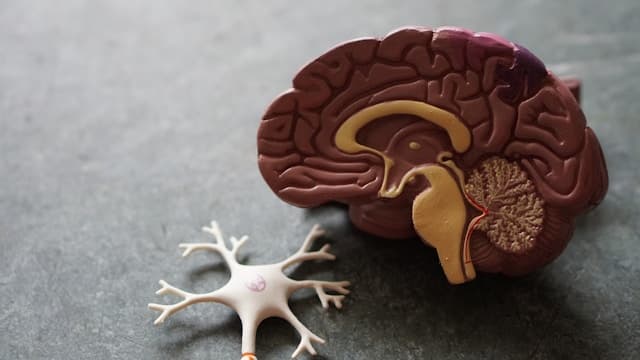
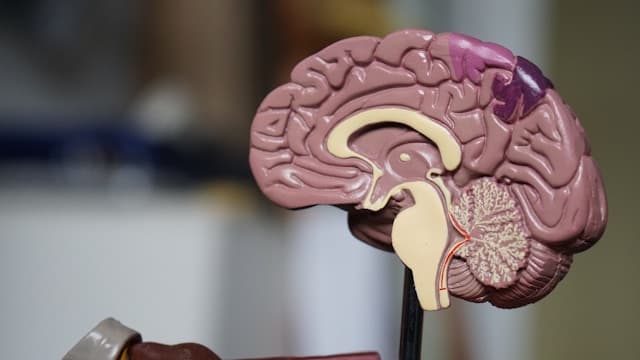
Aura is caused by a phenomenon called cortical spreading depression, a wave of electrical activity followed by a period of suppression that slowly moves across the brain. That wave disrupts the areas it passes through, causing temporary neurological symptoms depending on which region it affects.
Think of it as a ripple of overactivity moving through your brain, then quieting down. Wherever that ripple travels, it temporarily disrupts what that part of the brain normally does, vision, sensation, speech, balance.
About 25 to 30 percent of people with migraine experience aura, though having spent time in this community, I suspect that number is actually higher. Most people only recognize aura as visual disturbances, so a lot of aura likely goes unidentified.
The Types of Migraine Aura
Visual Aura
The most common type, and the one most people have at least heard of. It can look like zigzag or jagged lines (often called a fortification spectrum because the pattern resembles castle walls), flickering or shimmering lights, a blind spot or dark patch, objects that appear wavy or distorted, or a crescent of moving, colorful shapes that slowly expands across your field of vision.
Visual aura typically lasts between 20 and 60 minutes and then fades on its own. It happens because the cortical spreading depression moves through the visual cortex, which sits at the back of the brain.
Sensory Aura
The second most common type. This one involves physical sensations in the body, usually in the face, hands, or arms, tingling or pins and needles that spread slowly from the fingers upward, numbness in the face, lips, or tongue, or a feeling of heaviness or unusual warmth.
The tingling usually moves gradually, starting in the hand, traveling up the arm, and into the face over several minutes. It's temporary, but deeply unsettling if you don't know what you're experiencing. Many people confuse it with a stroke symptom, which is completely understandable. The key difference with aura is that it spreads slowly and resolves on its own.
Speech and Language Aura (Aphasic Aura)
This type affects your ability to communicate, and it's one of the scariest to experience without knowing what it is.
It can feel like struggling to find the right words mid sentence, speaking but having words come out wrong, understanding what others are saying but being unable to respond clearly, or reading and writing suddenly feeling difficult.
This happens when the disruption moves through the language centers of the brain. It is temporary, but the experience of not being able to communicate the way you normally do is deeply disorienting. If this is new or sudden, it's always worth ruling out stroke with a doctor.
From our shop
Migraine Definition Sweatshirt
Shop nowDesigned by The Migraine Network 💜
Motor Aura (Hemiplegic Migraine)
A rarer and more intense form of aura involving temporary muscle weakness, typically on one side of the body. When this type of aura occurs, it's called hemiplegic migraine, a specific subtype with its own medical management considerations.
Motor aura can feel like weakness or heaviness on one side, difficulty gripping or lifting, dragging of one leg or arm, or in rare cases, temporary paralysis. Because hemiplegic migraine can mimic a stroke, it's critical to seek medical evaluation, especially the first time these symptoms occur. This subtype also affects which medications are safe to use, which is another reason accurate diagnosis matters.
Brainstem Aura
This type originates in the brainstem, the part of the brain that controls balance, coordination, and some basic bodily functions. It used to be called basilar migraine.
Brainstem aura can show up as dizziness or vertigo, double vision, ringing in the ears, loss of balance, difficulty swallowing, or sudden decreased hearing. Because the symptoms overlap with more serious neurological conditions, accurate diagnosis is important, and like hemiplegic migraine, this subtype affects which medications are considered safe.
Retinal Aura
Rarer than the others. Unlike visual aura, which involves the brain's visual processing centers, retinal aura originates in the eye itself. It can cause temporary vision loss or blind spots in one eye only, flickering or dimming in one eye, or brief complete vision loss in one eye.
Because this type involves only one eye, it needs medical evaluation. Single eye vision changes can sometimes indicate conditions affecting blood supply to the eye, and those need to be ruled out.
Auditory Aura
Less talked about. Auditory aura can cause ringing, buzzing, or humming that isn't there, muffled hearing, or sounds that others can't hear. Easy to dismiss or confuse with tinnitus. Tracking whether these symptoms consistently precede your migraine attacks can help clarify whether they're connected.
Olfactory Aura
This type involves smelling things that aren't present, often something burning, a chemical or metallic odor, or an unpleasant smell that comes and goes. Olfactory aura is frequently underreported because people don't connect smell disturbances to migraine. But the brain's olfactory system is closely tied to the areas involved in migraine processing, which is also part of why so many people with migraine are highly sensitive to smells in general.
From our shop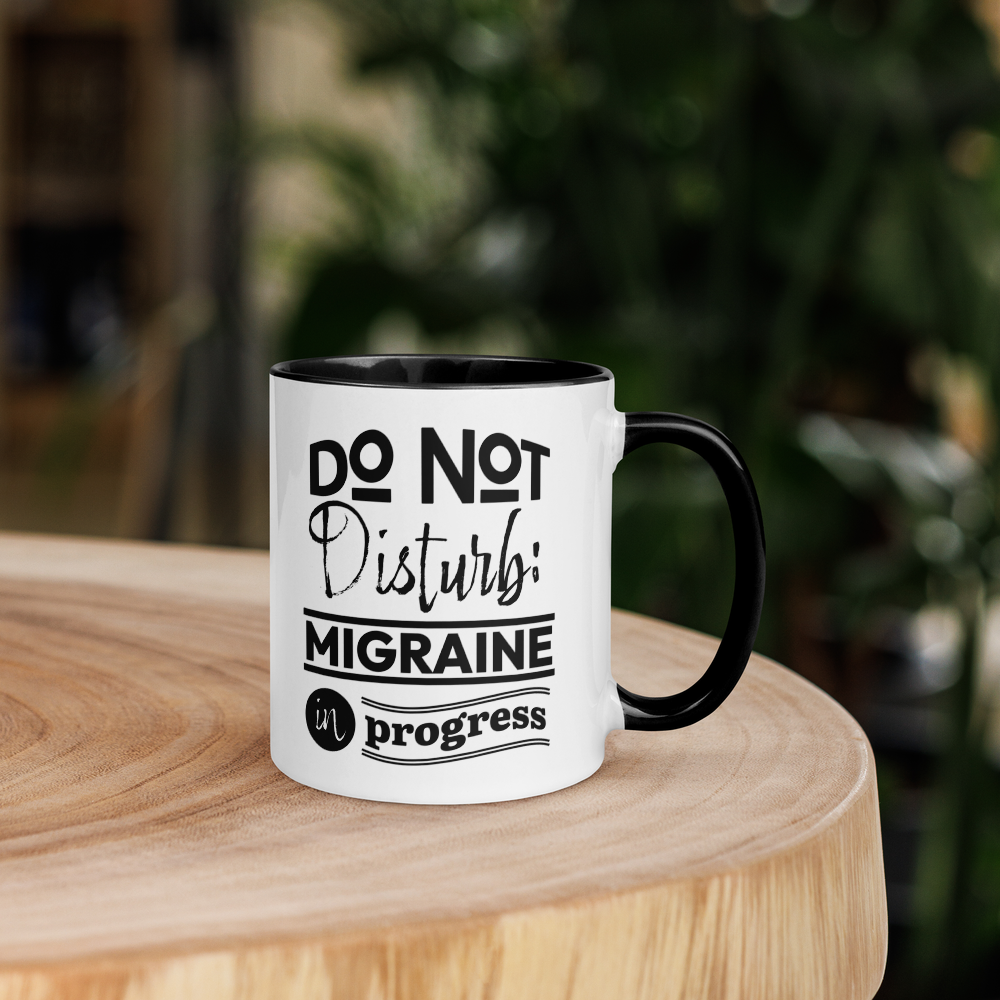
"Do Not Disturb" Migraine Mug
Shop nowDesigned by The Migraine Network 💜
Aura Without Headache: Silent Migraine
It's possible to experience aura without any headache following it. This is called a silent migraine or acephalgic migraine.
For people who experience this, aura symptoms can appear out of nowhere with no pain to follow. Many people with silent migraine go undiagnosed for years because the connection to migraine isn't obvious.
And unfortunately, some doctors still don't believe a migraine can occur without head pain, a stigma that leads to misdiagnosis and years of unnecessary confusion. If you've experienced aura without pain and been dismissed, that dismissal isn't accurate.
What to Do When Aura Starts
Aura is an early warning system. Once you know your personal pattern, you can use that window.
Take your acute medication as early as possible, early treatment is often more effective because the migraine is still developing. Move to a quieter, darker environment. Hydrate if you haven't recently. Eat something if your blood sugar might be low. If you're driving or doing something that requires full focus, stop and get somewhere safe first.
One important note: because several aura symptoms overlap with stroke symptoms, if you are ever unsure whether what you're experiencing is aura or something more serious, always get evaluated. When in doubt, err on the side of caution.
Learning Your Pattern
I experience aura infrequently, and when I do, it usually presents as silent migraine. For a long time, I didn't connect those experiences to migraine at all.
Not everyone with migraine will experience aura. But if you suspect you do, it's worth discussing with your healthcare provider, because treatment plans can change based on the type of aura you have.
Understanding what your brain is doing, even in its most disorienting moments, can make living with migraine feel a little less like something happening to you, and a little more like something you're learning to navigate.
This article is for educational purposes only and is not medical advice. It is not a substitute for professional diagnosis or treatment. Always talk with a qualified healthcare provider before making changes to your care, medications, or supplements.
Written by Deena Migliazzo
Migraine advocate, educator, and founder of The Migraine Network. Living with chronic migraine and dedicated to building community, education, and resources for others who get it.
Learn more about Deena