When most people think of migraine, they picture head pain. Light sensitivity. Nausea. A dark room and a closed door.
But for a significant portion of the migraine community, the most disabling symptom is not pain. It is the feeling that the room is moving when it is not. The floor tilting. The sense of being on a boat in the middle of a grocery store aisle. Walking down a hallway and feeling like you might fall, even though nothing is actually wrong with your balance.
This is vestibular migraine. And it is one of the most underdiagnosed, misunderstood forms of migraine disease.
I do not have vestibular migraine, so this blog is not written from personal experience. But it is rooted in research and in the number of people in this community who spend years being told they have an ear problem, an anxiety problem, or no problem at all, before someone finally connects their dizziness to migraine.
What Is Vestibular Migraine?
Vestibular migraine is a subtype of migraine where the dominant symptom is vestibular dysfunction. That means dizziness, vertigo, imbalance, or motion sensitivity, often without significant head pain.
The vestibular system is what your brain uses to understand where your body is in space. It involves the inner ear, the brainstem, and several regions of the brain that integrate balance, vision, and movement. In a migraine brain, this system can become hyperactive in the same way the pain pathways do during a more typical migraine attack.
The result is symptoms that feel like an inner ear problem but are actually neurological in origin. The inner ear is usually fine. The brain is the one misfiring.
Research suggests vestibular migraine affects roughly 1 to 2.7 percent of the adult population, making it one of the most common causes of recurrent vertigo. It is more common in women, with estimates ranging from about 1.5 to 5 times more common in women than men depending on the study, and it often appears later in life than typical migraine, with an average age of onset around 38.
What Vestibular Symptoms Actually Feel Like
The word "dizziness" gets used to describe a lot of different sensations, and that is part of why vestibular migraine is so often missed. The symptoms can vary widely from person to person and from attack to attack.
Spontaneous vertigo
A sudden sense that you or the room is spinning, with no obvious cause. It can come on without warning and last minutes or hours.
Positional vertigo
Dizziness or spinning triggered by a change in head position, like rolling over in bed or looking up.
Visually induced vertigo
A sense of motion or unsteadiness triggered by visual input, busy patterns, scrolling on a phone, watching things move past you in a car, or walking through a grocery store with crowded shelves.
Head motion intolerance
Dizziness or nausea triggered by moving your head, even slightly. Turning to check traffic. Looking down and back up. Quick movements that other people would not even notice.
Imbalance or unsteadiness
Feeling like you might fall or like the floor is shifting underneath you, even when you are standing still. Some people describe it as walking on a boat or feeling pulled to one side.
Non spinning dizziness
A vague sense of being off, lightheaded, or disconnected from your surroundings. Harder to describe, but just as disabling.
These symptoms can last anywhere from a few minutes to several days, which is one of the things that makes vestibular migraine different from other vestibular disorders.
The Diagnostic Criteria
The diagnostic criteria for vestibular migraine were developed by the Bárány Society and the International Headache Society. To meet the criteria for vestibular migraine, a person needs:
Sponsored
Migraine Awareness Cap
Shop the gearAds keep The Migraine Network free 💜
- At least five episodes of vestibular symptoms of moderate or severe intensity, lasting between 5 minutes and 72 hours
- A current or past history of migraine with or without aura
- At least half of the vestibular episodes accompanied by one or more migraine features, like headache, light or sound sensitivity, or visual aura
- Symptoms not better explained by another vestibular or medical condition
The last point is critical. Vestibular migraine is largely a diagnosis of exclusion, which means other causes of vertigo need to be ruled out first. That is part of why so many people go years without a diagnosis.
What Makes Vestibular Migraine So Often Missed
Vestibular migraine sits in a frustrating space between specialties. The symptoms feel like an ear problem, so people end up with ENTs. The cause is neurological, so they eventually end up with neurologists. And in between, many are told their symptoms are anxiety, dehydration, or nothing at all.
A few things make it especially hard to diagnose:
Headache may not be present. Many people with vestibular migraine do not have significant head pain during their attacks, or any head pain at all. Because the medical world is still working through the idea that migraine can occur without headache, this is often missed.
Vestibular symptoms and migraine symptoms may happen at different times. The dizziness can show up before the headache, during it, after it, or completely on its own. This temporal disconnect makes the pattern hard to see.
Onset can be later in life. Some people develop vestibular migraine in their late thirties, forties, or even after menopause, decades after their first migraine attacks. Others never had typical migraine before vestibular symptoms appeared.
The symptoms overlap with other vestibular disorders. Ménière's disease, benign paroxysmal positional vertigo, persistent postural perceptual dizziness, and brainstem aura can all look similar. Accurate diagnosis often requires ruling each of these out, which takes time.
Sponsored
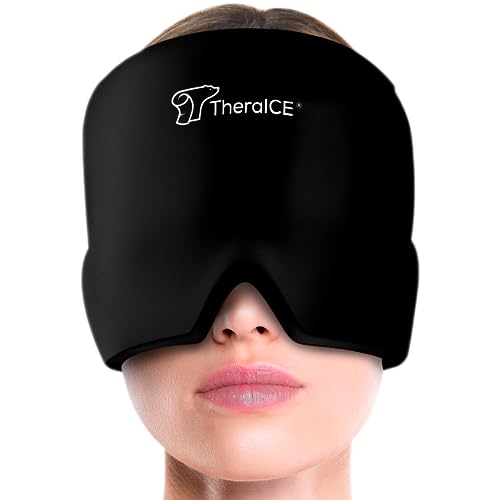
Headache Hat (wearable ice wrap)
Shop on AmazonAds keep The Migraine Network free 💜
As an Amazon Associate, The Migraine Network earns from qualifying purchases.
What Helps
Treatment for vestibular migraine usually combines several approaches, and what works varies significantly between people. This is a conversation to have with a neurologist, ideally one familiar with vestibular migraine specifically.
Migraine preventives. Many of the medications used to prevent typical migraine can also reduce vestibular attacks. Beta blockers, certain antidepressants, anti seizure medications, CGRP inhibitors, and others have all been used.
Acute treatments. Triptans and other acute migraine medications may help some people, though the evidence is less clear than for typical migraine. Some people benefit from anti nausea medication or vestibular suppressants during attacks.
Vestibular rehabilitation therapy. This is a type of physical therapy done with a specialist trained in balance disorders. It uses targeted exercises to help the brain adapt to vestibular symptoms over time. Research suggests it may be especially helpful when combined with medical treatment, though larger studies are still needed.
Lifestyle support. The same baseline factors that influence other types of migraine, sleep, hydration, regular meals, stress management, hormonal patterns, also play a role in vestibular migraine.
What I Want You to Take Away
Vestibular migraine is real. The dizziness is real. The instability is real. The way it makes everyday tasks, driving, working, walking through a store, suddenly feel impossible is real.
If you have spent years being told your symptoms are anxiety, or that nothing is wrong, please know that dismissal is not the same as the truth. The medical world is still catching up with this diagnosis, and many providers still are not familiar with it. That is not a reflection of your symptoms or your experience. It is a reflection of how slowly medicine moves.
If any of this sounds like what you live with, it is worth bringing to a neurologist, ideally one who treats migraine or has experience with vestibular disorders. The right diagnosis opens up real treatment options. And whether or not your dizziness has a name yet, it deserves to be taken seriously.
This article is for educational purposes only and is not medical advice. It is not a substitute for professional diagnosis or treatment. Always talk with a qualified healthcare provider before making changes to your care, medications, or supplements.
Written by Deena Migliazzo
Migraine advocate, educator, and founder of The Migraine Network. Living with chronic migraine and dedicated to building community, education, and resources for others who get it.
Learn more about Deena