For a lot of people, summer is the easy season. Longer days, vacations, more time outside.
For those of us with migraine, it often means something different. If your attacks reliably get worse once the weather warms up, there's a reason. Summer stacks several threshold lowering factors at the same time, which is why the same body that felt steady in spring can feel overwhelmed by midsummer.
I will be honest that summer is actually one of my easier seasons. I live where the weather stays steady through the warm months, so I get a break from the storms and pressure swings that set a lot of people off. But summer fills everyone's cup a little differently.
Why Summer Is Harder and What Can Help
Think about the cup. Every day your nervous system fills with triggers and stressors, and once it overflows, an attack begins. Summer does not hand you a single new trigger. It pours from several directions at once, so your cup starts each day fuller than it does the rest of the year. Most of the work, then, is about protecting the room you have left. If you want the full picture of how threshold works, I break it down in my blog on understanding your migraine threshold.
Heat
Rising temperatures are one of the most consistent summer triggers. A 2025 systematic review and meta-analysis in the Journal of Neurology, pooling 31 studies, found that higher temperatures are significantly associated with more migraine attacks. The leading theories are that heat may make certain pain sensing nerves more active and may activate the trigeminal nerve, the same pathway involved in migraine attacks.
What helps: stay somewhere cool during the hottest part of the day, lean on fans or air conditioning, and treat a hot day as a signal to protect the rest of your cup more carefully. If you have something to do outdoors, aim for the cooler morning or evening hours when you can.
Dehydration
Heat and dehydration travel together. You sweat more, lose fluid faster, and often do not notice how far behind you are until your cup is already full. Staying well hydrated is one of the most commonly recommended steps in the migraine community, and some research links higher water intake with less frequent and less severe attacks, though the trial evidence so far is mixed, but one thing for certain water is not a cure. Dehydration is a widely reported trigger, and falling behind on fluids can stack with everything else summer is already adding to your cup.
What helps: sip steadily through the day rather than trying to catch up all at once, keep a water bottle somewhere you will see it, and add electrolytes when you are sweating heavily or spending the day in the heat. What has finally worked for me is keeping a bottle I actually like within reach and adding electrolytes on the hot days, because plain water on its own was never enough once I had already fallen behind. My preferred electrolytes are DripDrop or LiquidIV Sugar Free.
A disrupted schedule
Summer rarely keeps a routine. Travel, late nights, new time zones, and meals at odd hours all pull your nervous system off its rhythm, and the migraine brain is especially sensitive to that kind of change. This is part of why a relaxing vacation can still end in an attack.
What helps: protect your wake time as much as you can, even on trips, and try to keep meals roughly on schedule. I wrote more about why consistency matters more than perfect hours in my post on sleep and migraine.
Sponsored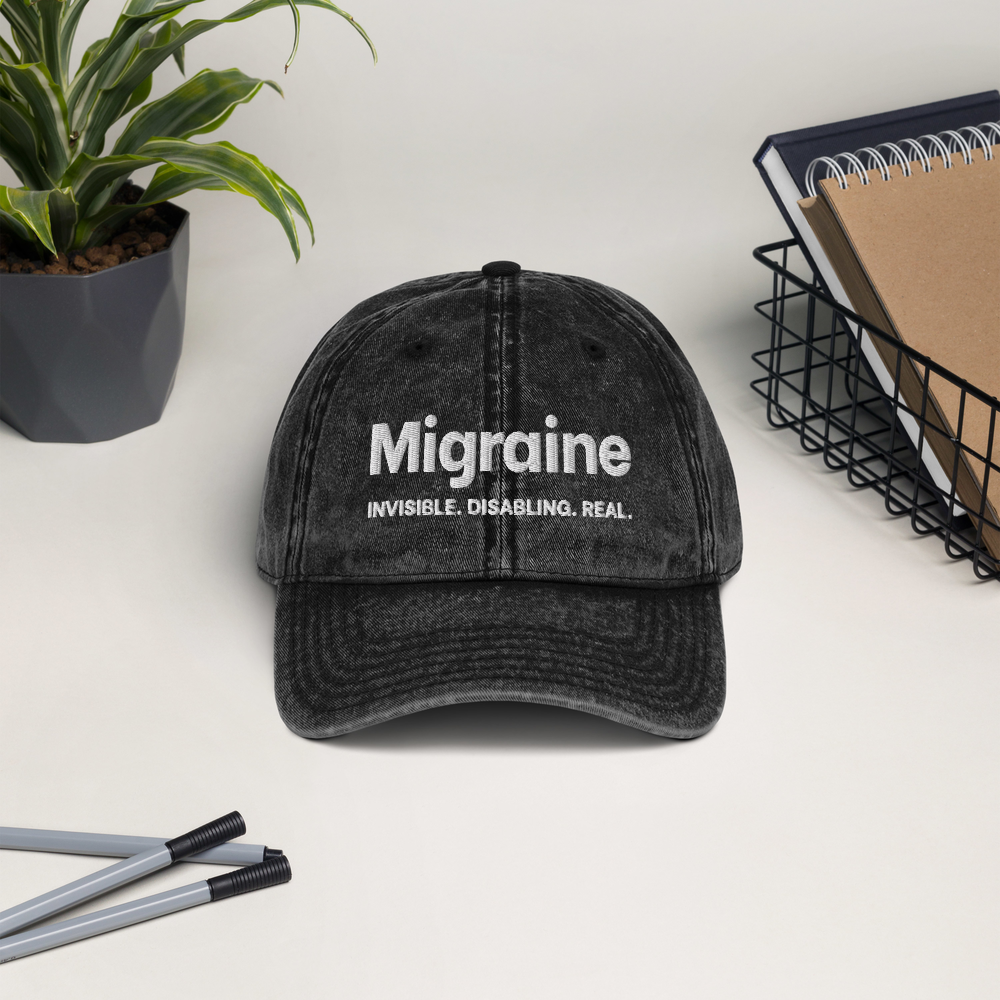
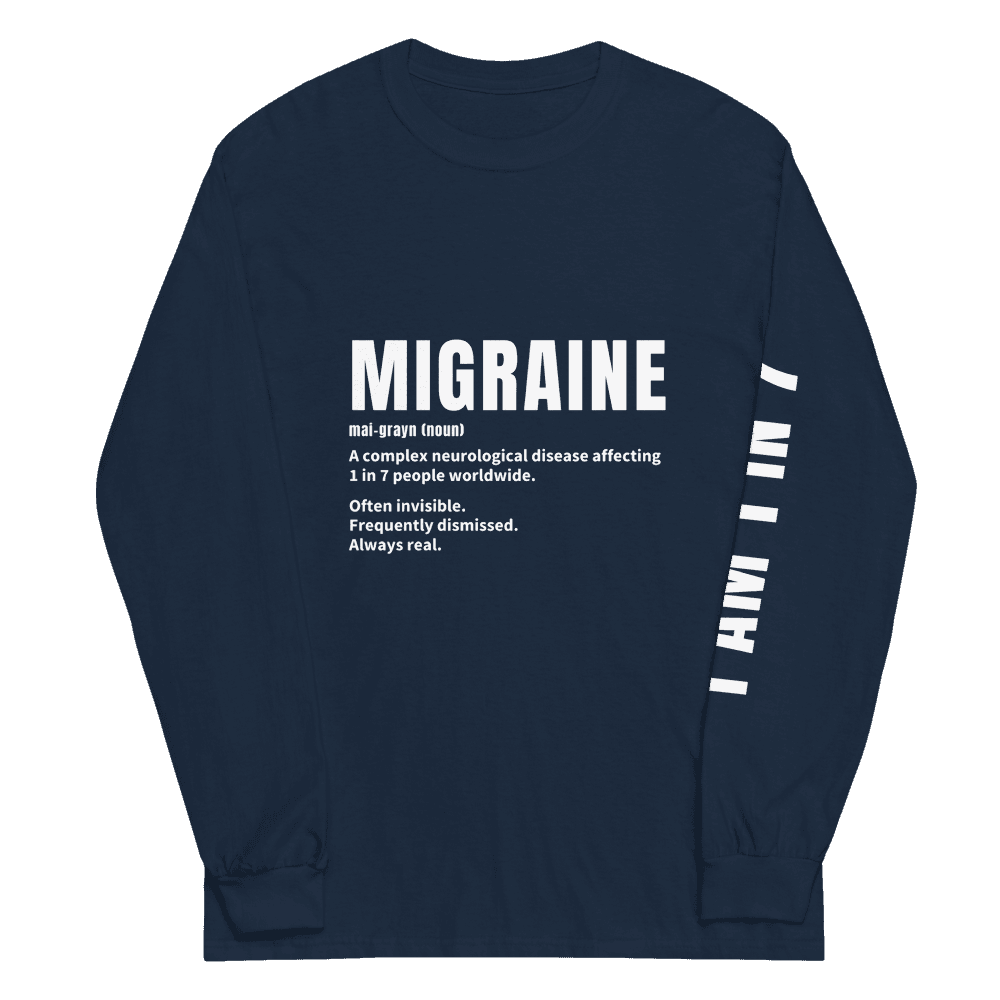
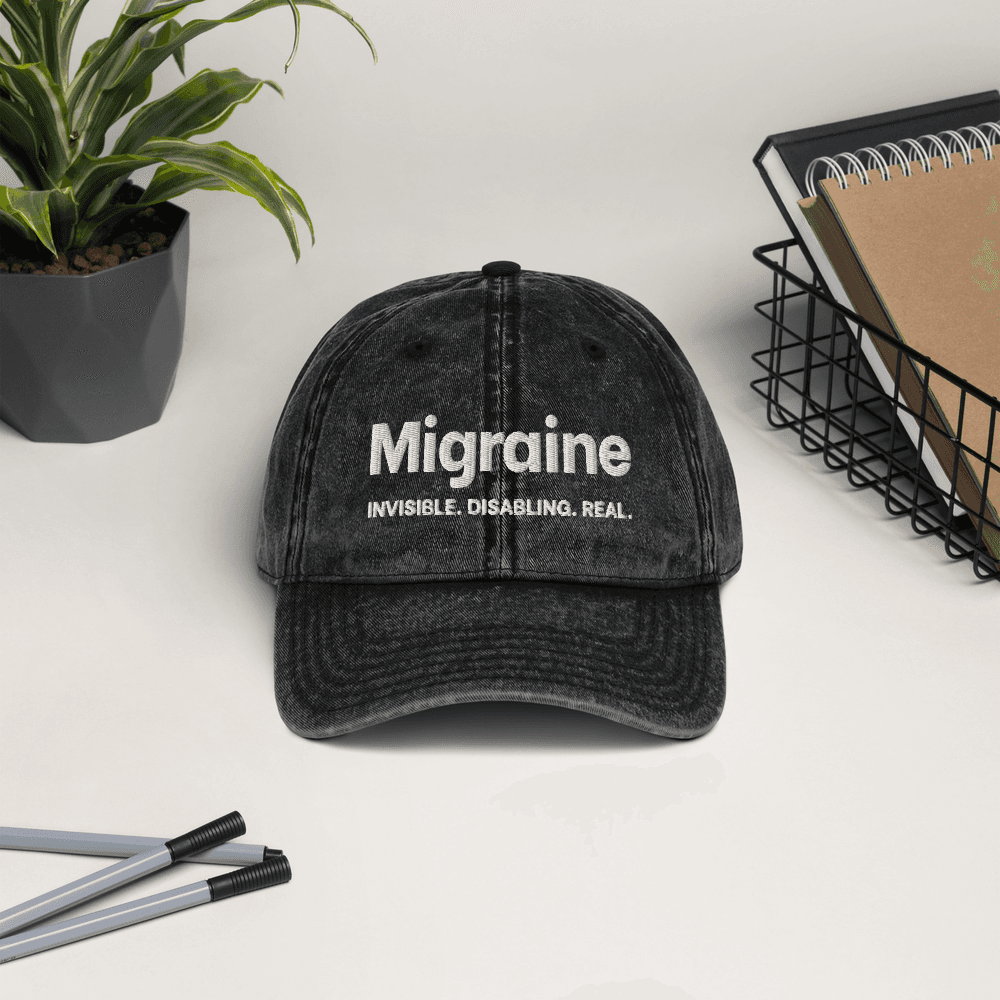
Migraine Awareness Cap
Shop the gearAds keep The Migraine Network free 💜
Brighter, longer light
The days are longer and the light is harsher. Sun glare, reflection off water and sand, and more total hours of brightness all add sensory load, and for a light sensitive brain that load stacks quickly.
What helps: good sunglasses outdoors, and tinted lenses like FL-41 for harsh or indoor lighting. My go-tos for both are from TheraSpecs (use code THEMIGRAINENETWORK for $15 off). Their lenses use an FL-41 tint that filters the specific blue-green wavelengths, around 480 to 520 nanometers, that are most likely to set off light sensitivity and migraine. Their sunglasses pair that tint with dark, polarized lenses for outdoor glare. That is what makes them different from store-bought sunglasses, which just darken everything evenly without targeting the wavelengths that actually trigger attacks. I go deeper into why light hurts and what can ease it in my post on migraine and light sensitivity.
Summer allergens
Grass pollen and mold tend to peak in the warmer months, and allergies may quietly lower your threshold by adding inflammation and histamine to everything else your body is managing. If your summer attacks tend to come with sinus pressure or congestion, this connection is worth paying attention to.
What helps: stay on top of your allergies proactively, rinse pollen off after being outside, and run an air purifier where you sleep. I covered the allergy and migraine link in more detail in my post on why migraine gets worse during allergy season.
Sponsored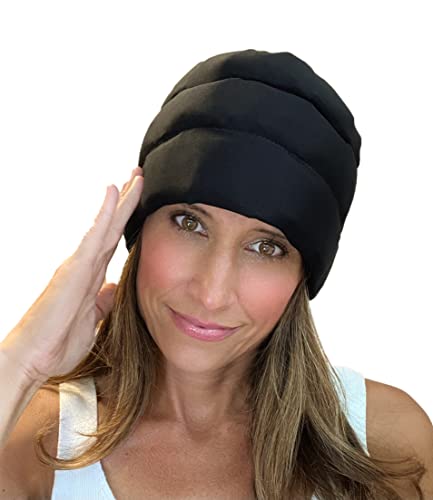
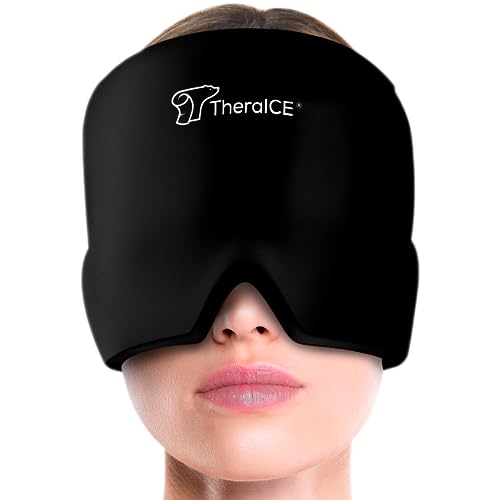
Headache Hat (wearable ice wrap)
Shop on AmazonAds keep The Migraine Network free 💜
As an Amazon Associate, The Migraine Network earns from qualifying purchases.
Storms and pressure swings
Summer weather is unstable. Heat builds, storms roll in, and barometric pressure swings up and down. Weather is one of the most commonly reported migraine triggers, and pressure drops in particular have been linked to more frequent attacks.
What helps: you cannot control the weather, but you can see it coming. I use the WeatherX app, which gives an hourly barometric forecast and pings you before a pressure shift, so a swing stops catching you off guard. Their earplugs work alongside it: a built-in filter slows how fast a pressure change reaches your middle ear, which can take the edge off the trigger. Put them in before and during a forecasted swing. Past that, treat a big pressure day like any other high load day, protect your sleep, meals, and hydration, and ease off optional stressors when you can.
Closing Thoughts
Summer being hard on your migraine is not a personal failure. Several real, documented triggers are stacking at once, most of which you did not choose and cannot fully avoid.
Be gentle with yourself this summer. You are carrying more than people can see, and you deserve a season that meets you with care.
Disclosure: This post contains affiliate links and, where noted, a personal discount code. As an Amazon Associate we earn from qualifying purchases, and if you use these links or codes we may earn a commission at no extra cost to you. These are honest opinions and this post is not sponsored.
This article is for educational purposes only and is not medical advice. It is not a substitute for professional diagnosis or treatment. Always talk with a qualified healthcare provider before making changes to your care, medications, or supplements.
Written by Deena Migliazzo
Migraine advocate, educator, and founder of The Migraine Network. Living with chronic migraine and dedicated to building community, education, and resources for others who get it.
Learn more about Deena